Proudly serving Tempe, Mesa, Chandler, Scottsdale, Gilbert & surrounding areasCall or Text 24/7: +1 (480) 571-0856

Asphalt Paving, Driveway Construction, and Lot Repairs in Queen Creek, AZ

Tempe Asphalt provides asphalt paving in Queen Creek, AZ, for residential, commercial, HOA, school, and municipal properties. Our crews install driveways, commercial pavement, and parking lots while also handling full-depth patching, overlays, sealcoating, striping, and concrete paving. We manage grading and compaction through final cure with the same crew, equipment, and accountability from start to finish. Call for a free asphalt estimate and a property walk-through before we quote the work.

Dark pavement in Queen Creek regularly exceeds 150 degrees in summer, accelerating binder breakdown and heat-related rutting. Seasonal monsoon runoff can reach weaknesses created by caliche layers and expansive clay pockets. We account for those conditions through soil evaluation, drainage grading, climate-appropriate mix selection, and compaction testing. As a licensed and insured asphalt contractor, we provide one accountable crew from site preparation through the finished surface.

Queen Creek grew from 59,519 residents at the 2020 census to an estimated 83,700 in 2024, increasing demand for subdivision streets, retail parking lots, and municipal infrastructure. Our crews cover the town from Ellsworth Loop Road and Ocotillo to Rittenhouse Road, including properties in the Maricopa and Pinal County portions of Queen Creek.

5-star rating4.9/5 Average Rating - 20+ Years of Experience - Queen Creek Water Treatment Experts - Residential & Commercial
Paving Services

Asphalt Paving Services in Queen Creek, AZ

Queen Creek projects range from compacted-base residential driveways to traffic-designed commercial lots and municipal pavement. We match the repair or installation method to the pavement's base, drainage, traffic, and heat exposure instead of defaulting to a surface treatment. The same climate-aware planning guides our work in Paradise Valley, while every Queen Creek scope is evaluated for its own site conditions.

Residential Driveway Paving

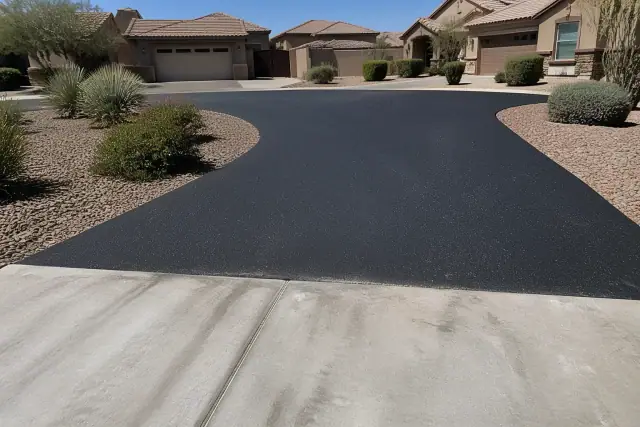
Residential driveway paving in Queen Creek, AZ

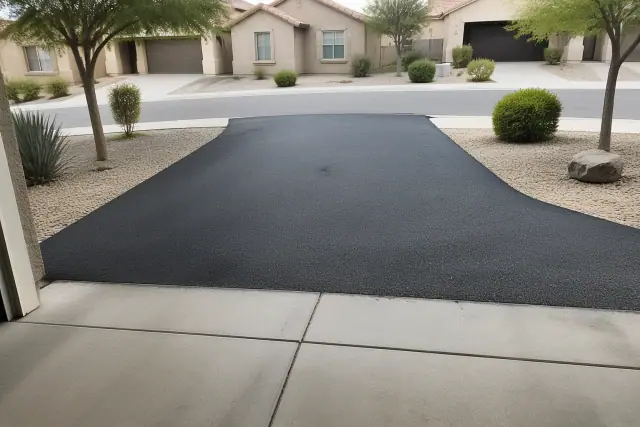
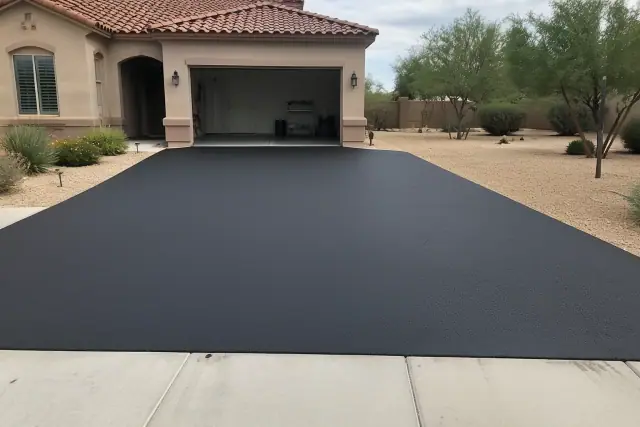
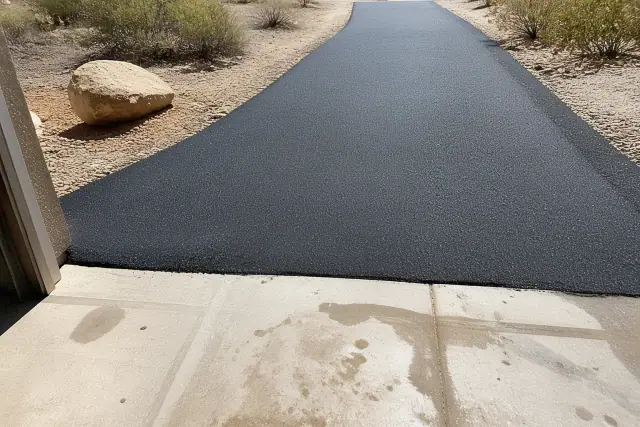
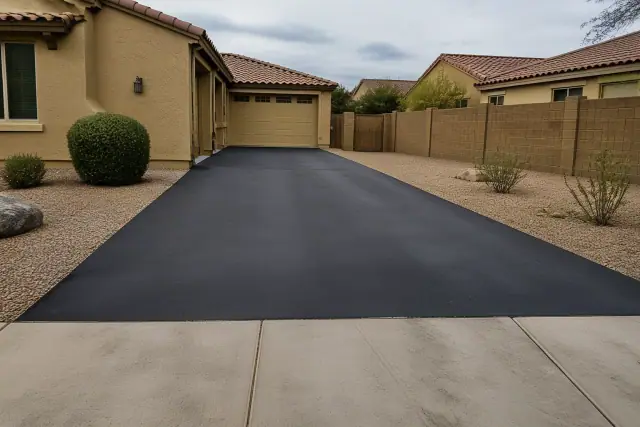
We install new asphalt driveways and complete replacements with a compacted aggregate base of 4-6 inches followed by 2-3 inches of hot mix asphalt. Base preparation is adjusted for the caliche and clay pockets found across Queen Creek subdivisions.

Explore Service

Commercial Asphalt Paving

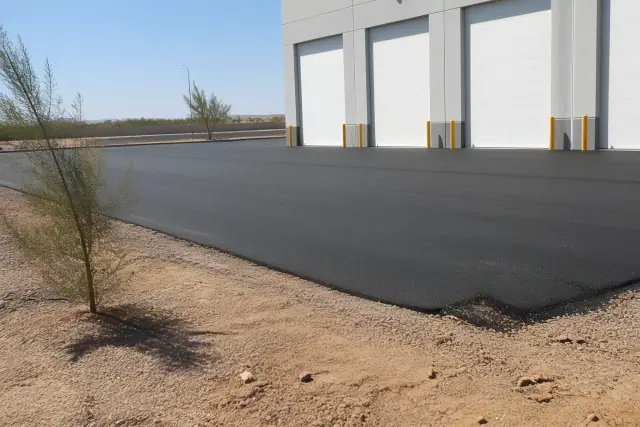
Commercial asphalt paving in Queen Creek, AZ

Commercial pavement sections are designed around projected traffic, with thicker base courses for delivery and loading zones than for customer parking. We can phase work around business hours, keep entrances accessible, and grade the site for monsoon runoff.

Explore Service

Parking Lot Installation

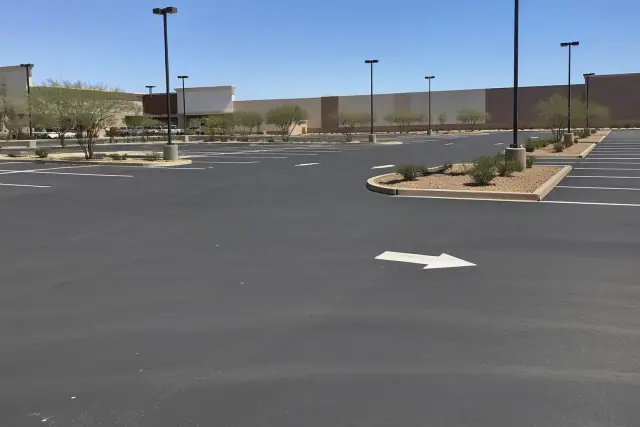
Parking lot installation in Queen Creek, AZ

New parking lots require precise grading so runoff reaches catch basins instead of pooling against curbs. Our coordinated scope covers site preparation, sub-base compaction to specification, asphalt placement, and ADA-compliant striping that accounts for local fire-lane and accessibility requirements.

Explore Service

Asphalt Repair and Patching

Asphalt repair and patching in Queen Creek, AZ

For potholes and alligator cracking, full-depth patching removes the damaged asphalt and failed base before rebuilding the section to surrounding pavement thickness. That approach addresses the weakened material below the surface rather than covering it with a short-lived skim coat.

Asphalt Resurfacing and Overlays

Asphalt resurfacing and overlays in Queen Creek, AZ

An overlay places a new 1.5 to 2-inch wearing course over aged pavement whose base remains sound. After checks for cracking and moisture damage, a suitable overlay can add 10-15 years of service life without the cost of full removal and replacement.

Asphalt Sealcoating

Asphalt sealcoating in Queen Creek, AZ

Coal-tar or asphalt-emulsion sealer helps slow UV oxidation, fill hairline cracks, and restore the pavement's dark finish. Residential driveways and high-traffic commercial lots receive maintenance recommendations based on traffic, oil exposure, surface condition, and sun.

Striping and Line Marking

Striping and line marking in Queen Creek, AZ

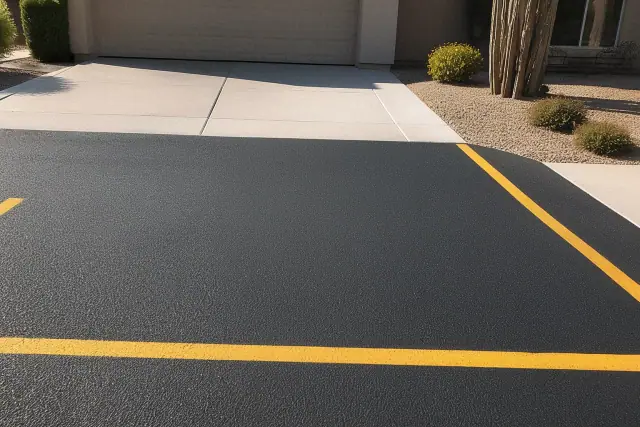
We measure layouts against the site plan and applicable requirements before applying reflective, fast-curing traffic paint rated for Arizona UV exposure. Clear markings help define parking spaces, ADA stalls, travel lanes, and fire lanes.

Driveway Repair and Maintenance

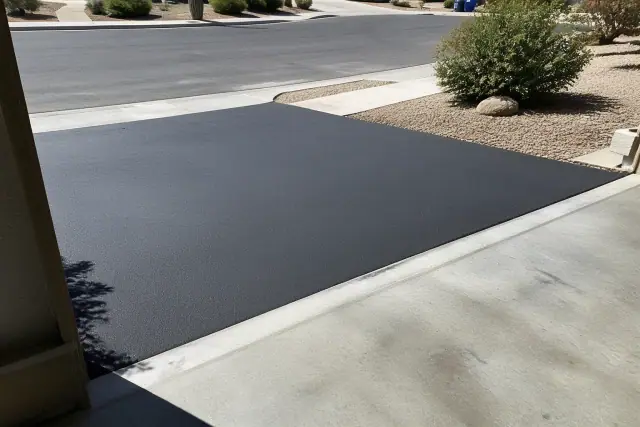
Driveway repair and maintenance in Queen Creek, AZ

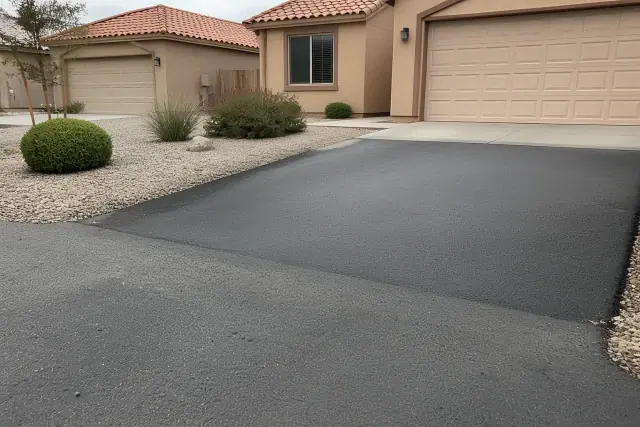
Cracks, crumbling edges, and drainage birdbaths are frequent complaints at Queen Creek homes built in the last 15 years. We use hot-pour rubberized sealant that flexes with ground movement and recommend routine maintenance before small defects become replacement work.

Parking Lot Repair and Maintenance

Parking lot repair and maintenance in Queen Creek, AZ

Inspection-based maintenance helps commercial owners identify alligator cracking, base failure, potholes, vehicle-damage risks, and trip hazards before reconstruction becomes necessary. Planned repair work also makes annual maintenance needs easier to budget.

Concrete and Municipal Paving

Concrete and municipal paving in Queen Creek, AZ

We also perform concrete paving and municipal asphalt work for towns, HOAs, and school districts. Scopes can coordinate site preparation, grading, paving, curing, striping, and the permit requirements of the applicable jurisdiction.

Project Planning

How to Choose Asphalt Paving in Queen Creek

The right paving scope depends on what is happening below the surface as much as on the visible damage. Compare contractors by how they evaluate soil, drainage, traffic, mix design, repair depth, and project documentation. A clear recommendation should explain why installation, full-depth repair, overlay, or maintenance fits the property.

Base and Soil Evaluation

Ask how the contractor will identify caliche, clay pockets, and soft areas before paving. A weak spot below new asphalt can become a crack or dip within the first year or two.

Climate-Appropriate Mix Design

Queen Creek pavement can run 40-50 degrees hotter than ambient air. Tempe Asphalt specifies higher-grade PG 76-16 binder, common in Arizona Department of Transportation projects, to resist rutting better than cooler-climate PG 64-22 mixes.

Drainage and Grading Plan

A paving plan should show how water will move away from buildings, curbs, and low spots during intense monsoon downpours. Catch basins, surrounding elevations, and existing birdbaths all affect the grading recommendation.

Traffic Load Design

Driveways, customer parking, fire lanes, delivery routes, and loading areas do not carry the same loads. Base depth and pavement design should reflect how each part of the property will actually be used.

Repair or Overlay Decision

An overlay is appropriate only when the existing base remains sound. Moisture damage, deep alligator cracking, and failed base material point toward full-depth repair or reconstruction instead of another surface layer.

Written Scope and Schedule

A useful estimate identifies scope, materials, site preparation, traffic impacts, and timeline before work starts. Commercial phasing and access plans should also explain how entrances or active areas will remain usable.

Queen Creek Pavement Issues

Common Asphalt Problems for Queen Creek Properties

Extreme heat, seasonal water, shifting soils, and strong UV exposure create a demanding environment for asphalt. Early inspection helps distinguish surface maintenance needs from base failure that requires deeper repair. Watch for changes in texture, drainage, edges, markings, and crack patterns.

Request Pavement Inspection

Heat-Driven Rutting

Extreme surface heat softens asphalt binder, allowing heavy tires to create ruts or shove the mix when the pavement section is not designed for local conditions. Correct mix selection and density help the surface resist that load.

Monsoon Water Intrusion

Monsoon season from June through September can deliver intense, short-duration downpours. Water entering open cracks or collecting against curbs weakens the base and accelerates potholes and settlement.

Caliche and Clay Movement

Caliche layers and expansive clay pockets react differently as seasonal moisture changes. Without proper grading and compaction, that movement can show up as dips, cracks, uneven edges, or recurring low spots.

UV Oxidation

More than 300 sunny days a year expose Queen Creek pavement to sustained UV radiation. Oxidation dries the binder from the surface down, leaving asphalt gray, brittle, and increasingly vulnerable to cracking.

Potholes and Alligator Cracking

Interconnected alligator cracks often signal that water and repeated loading have damaged the pavement structure below the surface. Once material loosens, traffic can open the failed area into a pothole.

Faded Markings and Trip Hazards

Worn lines make parking spaces, ADA stalls, and fire lanes harder to identify, while broken edges and potholes create trip or vehicle-damage risks. Scheduled inspection keeps these visible safety and access issues from being overlooked.

Why Choose Us

Why Choose Tempe Asphalt in Queen Creek?

Tempe Asphalt combines East Valley paving knowledge with the documentation and accountability expected by homeowners, property managers, HOAs, general contractors, schools, and municipalities. We evaluate local soils and drainage, pull permits through the appropriate jurisdiction, and keep one crew responsible through completion. Our licensed, bonded, and insured status supports work across the Maricopa and Pinal County portions of town.

Local East Valley Knowledge

Our crews understand that drainage and base conditions vary between areas such as Queen Creek Marketplace, San Tan Village, historic downtown, and newer subdivisions near Hawes Road. That local context shapes evaluation, grading, and material recommendations.

Licensed, Bonded, and Insured

We provide the licensing, bonding, insurance, and permit documentation expected by HOAs, commercial property managers, the Town of Queen Creek, and Pinal County. The correct jurisdiction is identified before work begins.

One Accountable Crew

The same crew and equipment carry the project from grading and compaction through paving, curing, and the final walk-through. If a section settles or does not cure properly after installation, Tempe Asphalt returns to address it.

Paving Process

Our Asphalt Paving Process in Queen Creek

Each project follows a documented sequence from site evaluation through the final owner walk-through. The exact repair or installation scope changes with soil, drainage, traffic, and existing pavement condition, but the core controls remain consistent. Careful preparation and timely compaction are especially important in Queen Creek heat.

01.

Site Evaluation and Estimate

We inspect existing drainage, soil conditions, pavement failure, access, and expected traffic loads. The written estimate then identifies scope, materials, and timeline before the project begins.

02.

Removal and Grading

Failed asphalt and base material are removed and hauled away when the scope calls for reconstruction. We grade the site to a typical 1-2% minimum slope so water sheds away from structures and low spots.

03.

Sub-Base Compaction

The prepared sub-base is compacted and checked against the density requirements for the traffic it will carry. Soft areas are addressed before hot mix covers them and hides the problem.

04.

Hot Mix Placement

Hot mix asphalt is placed at the correct temperature so it remains workable enough to compact properly. Crew coordination keeps placement moving before the surface cools too far and loses density.

05.

Rolling and Curing

Rolling follows paving immediately in overlapping passes to reach final density. The new surface then cures for a few days before striping or heavy traffic, depending on project conditions.

06.

Final Walk-Through

We review the completed pavement, drainage, edges, and agreed scope with the property owner before closing the job. Any follow-up item is documented so responsibility remains clear after the paving crew leaves.

Project Outcomes

Asphalt Outcomes for Queen Creek Homes & Businesses

Case Study 1: For residential properties, a properly prepared aggregate base and compacted asphalt surface support smoother driveway access while grading moves water away from the home and pavement edges.

Case Study 2: For commercial lots, traffic-based pavement design, phased access, drainage planning, and clear striping create a surface organized around customers, deliveries, ADA spaces, and fire lanes.

Case Study 3: For damaged pavement, choosing among full-depth patching, overlay, crack repair, and sealcoating targets the actual condition instead of applying the same surface treatment to every failure.

Plan Your Paving Project

Schedule a Queen Creek
Asphalt
Estimate

Tell Tempe Asphalt whether you are planning a new driveway, commercial lot, municipal surface, repair, overlay, sealcoating, or striping project. We will walk the property, review site conditions, and prepare a free written estimate that explains scope, materials, and project timing.

Asphalt Paving Help

FAQs About Asphalt Paving in Queen Creek, AZ

These answers cover Queen Creek paving schedules, local jurisdictions, pavement life, maintenance, repair decisions, drainage, and project pricing. For a property-specific recommendation, Tempe Asphalt can inspect the site and provide a written estimate.

Call Tempe Asphalt

On larger commercial and municipal projects, nighttime paving avoids 110-degree daytime heat that can make the surface skin over too quickly. Cooler ambient temperatures support more controlled compaction, and overnight work can reduce disruption to businesses and active roadways.

Most of Queen Creek is in Maricopa County, while part of the town extends into Pinal County. The property's location determines which jurisdiction handles paving and building permits, so Tempe Asphalt identifies the appropriate permit office during project planning.

Look for soil and compaction testing, a climate-appropriate mix design, documented rolling and drainage steps, and a clear plan for correcting post-installation problems. Licensing, bonding, and insurance also protect the property owner and provide the documentation commercial managers and HOAs expect.

Properly installed asphalt in low-traffic residential settings typically lasts 20-30 years. Higher-traffic commercial lots and arterial roads often need major rehabilitation after 15-20 years, with actual life depending heavily on sealcoating, prompt crack repair, drainage, base condition, and traffic.

Residential driveways are generally sealcoated every 2-3 years. Commercial lots may need service annually or every other year depending on traffic volume, oil exposure, surface condition, and sun.

Fall and spring generally provide Queen Creek's most consistent paving temperatures. Summer paving is still possible, but work may shift to early morning or nighttime so the mix can be placed, compacted, and cooled under better-controlled conditions.

Cost depends on square footage, base condition, site access, current material pricing, traffic-load design, and drainage work. Tempe Asphalt provides a written, itemized estimate so the property owner can see which site conditions and scope choices drive the price.

An overlay can be a practical choice when the existing pavement has aged but the base remains structurally sound. Deep cracking, moisture damage, settlement, or failed base material may require full-depth repair or reconstruction instead.

Preparation starts by evaluating drainage, soil, and any failed existing material. The crew grades and compacts the aggregate base before placing hot mix asphalt, with the section adjusted for local caliche, clay pockets, and expected vehicle use.

Potholes, deep alligator cracking, and failures that extend into the base are common reasons to consider full-depth patching. The damaged asphalt and base are removed, then the section is rebuilt to match the surrounding pavement rather than being covered with a surface skim coat.

Inspection-based maintenance should track cracks, potholes, base failure, broken edges, drainage, and faded markings before they become larger repair or liability issues. Crack sealing, patching, sealcoating, and restriping can then be scheduled according to the lot's actual condition and traffic.

The crew evaluates existing elevations, structures, curbs, low spots, and catch basins before grading. The finished slope is designed to move monsoon runoff away from structures and toward intended drainage points rather than trapping it against pavement edges.

Coverage includes Queen Creek districts such as Ocotillo, San Tan Heights, Encanterra, Meridian, the Ellsworth Loop Road corridor, and areas near historic downtown and Hawes Road. Crews also serve San Tan Valley, Sun Lakes, Gilbert, Chandler, Mesa, and unincorporated Pinal County areas near Ironwood Drive.

New pavement needs time to cool and cure before striping or heavy traffic. Timing depends on weather, pavement thickness, mix temperature, and traffic demands, so the crew confirms reopening conditions for each project.

The layout should match the site plan and account for parking spaces, travel lanes, ADA stalls, and fire lanes. Reflective, fast-curing traffic paint rated for Arizona UV exposure helps markings remain visible under strong sun and active use.