Proudly serving Tempe, Mesa, Chandler, Scottsdale, Gilbert & surrounding areasCall or Text 24/7: +1 (480) 571-0856

Asphalt Paving, Driveway Resurfacing, and Maintenance in Paradise Valley, AZ

Tempe Asphalt provides asphalt paving in Paradise Valley for estate driveways, private roads, motor courts, parking areas, and commercial lots. Our crews handle driveway paving, commercial and residential paving, overlays, seal coating, patching, resurfacing, and preventative maintenance. We work on properties near Camelback Mountain and Mummy Mountain as well as the Lincoln Drive and Tatum Boulevard corridors. In a low-density town of around 12,658 residents, each project is planned around the site's traffic, drainage, access, and finish expectations.

Desert sun can push pavement surface temperatures above 140 degrees Fahrenheit, accelerating binder oxidation and fine cracking. Short, intense monsoon rainfall from July through September can also drive water into weak edges or poorly graded base material. Expansive clay and caliche soils add movement beneath long drives, making base preparation and positive drainage critical. We are a licensed and insured asphalt paving contractor that evaluates these conditions before recommending repair, overlay, resurfacing, or replacement.

Call Tempe Asphalt for a free asphalt paving estimate before cracks, potholes, or drainage problems spread. We start with a site visit so the proposed scope fits the pavement condition and the property.

5-star rating4.9/5 Average Rating - 20+ Years of Experience - Paradise Valley Water Treatment Experts - Residential & Commercial
Paving Services

Asphalt Paving Services in Paradise Valley, AZ

Every project starts with a site visit so we can assess pavement condition, drainage, soil, traffic, and access before recommending a scope. The service may call for new paving, a targeted repair, an overlay, resurfacing, or a maintenance plan rather than unnecessary replacement. Property owners comparing conditions elsewhere in the Valley can also review our Peoria location page.

Driveway Paving

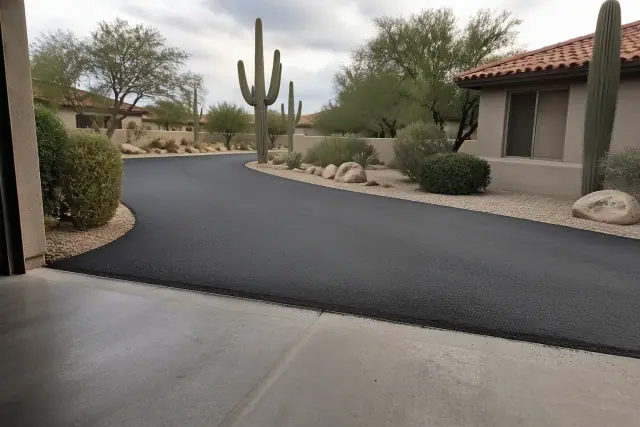
Driveway paving in Paradise Valley, AZ

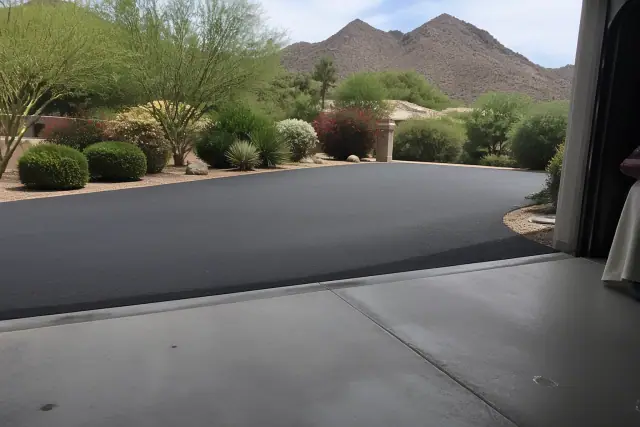
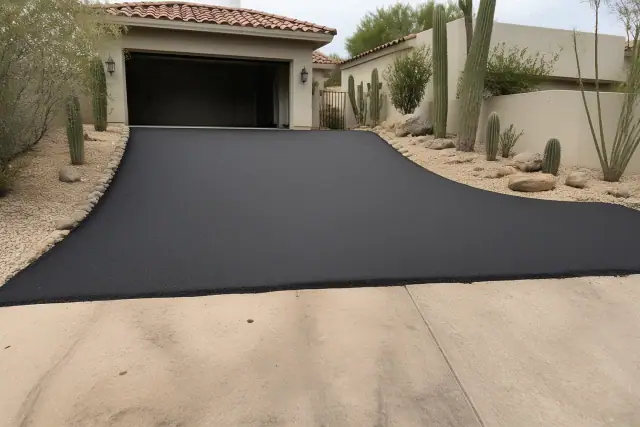
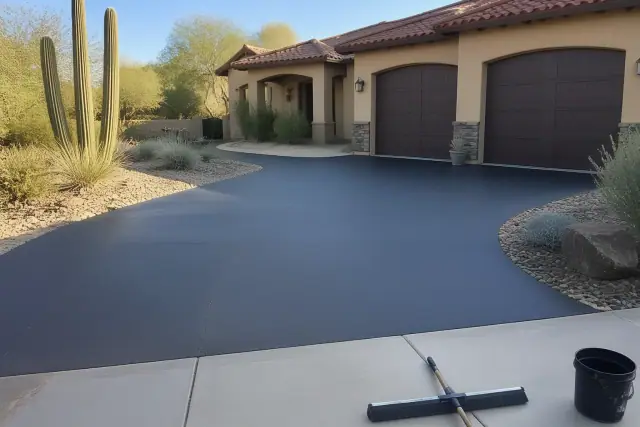
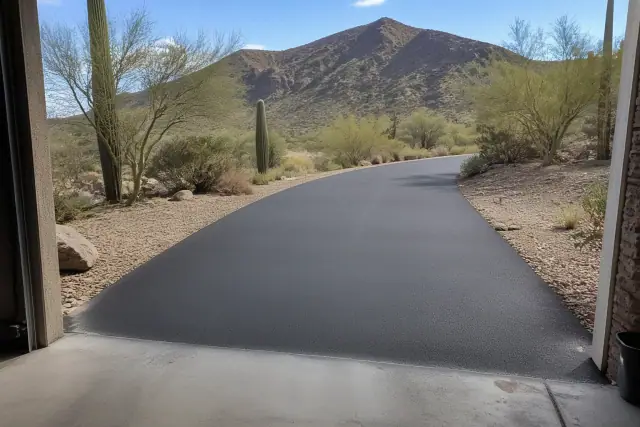
We pave small courtyard entries, long curving estate driveways, and private drives that can extend to a quarter mile. A typical residential installation uses 2 to 3 inches of hot mix asphalt over a 4 to 6 inch compacted aggregate base, adjusted for the soil and vehicle loads on the property.

Explore Service

Commercial Asphalt Paving

Commercial asphalt paving in Paradise Valley, AZ

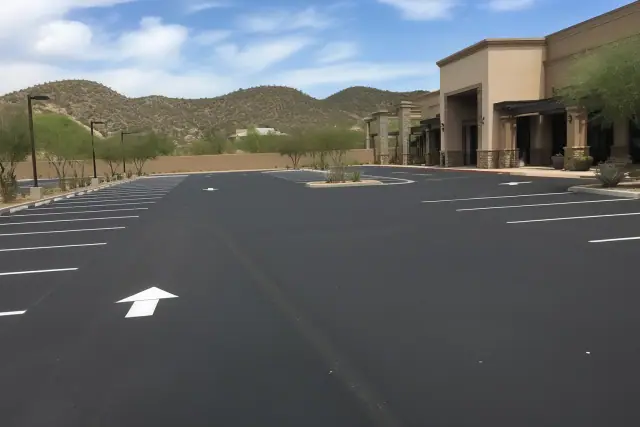
Resorts, country clubs, offices, and other commercial properties need pavement designed for delivery trucks and higher daily traffic. We can phase larger lots around operating hours while coordinating drainage, municipal permits, and ADA-compliant striping layouts.

Explore Service

Residential Paving

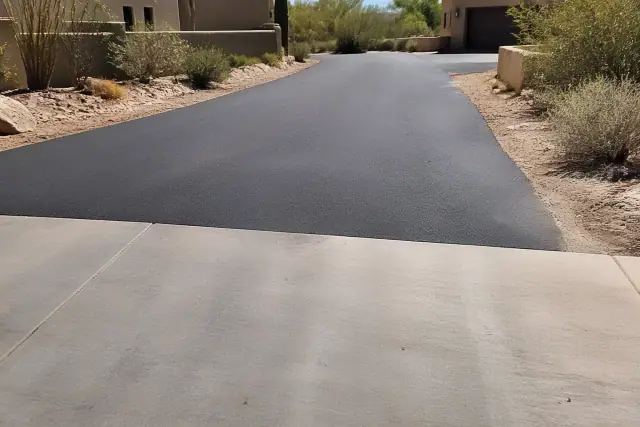
Residential paving in Paradise Valley, AZ

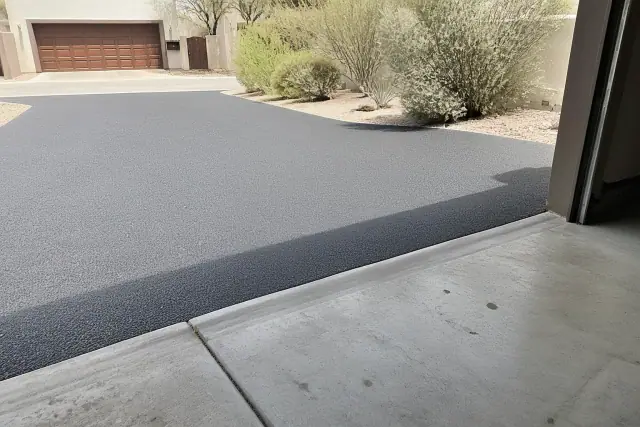
Residential paving includes private roads, motor courts, guest parking pads, and RV pads on Paradise Valley's larger lots. We match new sections to existing pavement where practical, establish runoff toward existing drainage, and protect irrigation lines, landscaping, and decorative hardscape during excavation and compaction.

Explore Service

Asphalt Overlay

Asphalt overlay in Paradise Valley, AZ

An overlay adds a new 1.5 to 2 inch layer over worn pavement when the structural base is still sound. We inspect for alligator cracking, potholes, and base failure first, because an overlay is cost-effective only when the supporting pavement can carry the new surface.

Asphalt Seal Coating

Asphalt seal coating in Paradise Valley, AZ

Coal-tar or asphalt-emulsion sealer helps block UV exposure, resist oil and gasoline drips, and fill fine surface cracks before they spread. Residential driveways generally benefit from seal coating every 2 to 3 years, with more frequent attention for high-traffic commercial lots.

Asphalt Patching

Asphalt patching in Paradise Valley, AZ

For potholes and isolated failures, we cut back to solid pavement edges, replace compromised base material, and compact new hot mix in lifts. Patching controls localized damage before monsoon runoff reaches farther beneath the surface; widespread cracking usually calls for resurfacing instead.

Parking Lot Paving

Parking lot paving in Paradise Valley, AZ

Parking lots for retail centers, medical offices, and resort properties require coordinated drainage, traffic flow, signage, and ADA striping. We grade the surface toward catch basins and away from foundations, then coordinate Town of Paradise Valley permitting requirements on larger installations.

Asphalt Resurfacing

Asphalt resurfacing in Paradise Valley, AZ

Resurfacing addresses moderate cracking and rutting when the base remains structurally sound. We mill the top layer where needed, correct base irregularities, and place a new asphalt mat that can provide another 15 to 20 years of service life when followed by regular seal coating.

Preventative Asphalt Maintenance

Preventative asphalt maintenance in Paradise Valley, AZ

Crack sealing, seal coating, and an annual inspection walk before monsoon season can keep minor defects from becoming full-depth failures. Preventative care can be the difference between a driveway lasting 15 years and one lasting 30. Properly drained, low-traffic residential pavement may reach the typical 20 to 30 year range, while neglected asphalt often needs replacement inside 13 to 17 years.

Asphalt Repair

Asphalt repair in Paradise Valley, AZ

Our repair scope can include crack sealing, edge correction, pothole patching, and removal of failed pavement down to stable base material. We match the method to the damage pattern so a localized repair is not presented as a solution for widespread structural failure.

Choosing the Scope

How to Choose the Right Asphalt Service

The right paving scope depends on the existing base, cracking pattern, drainage, soil movement, expected traffic, and surrounding property features. A careful evaluation separates pavement that can be patched or overlaid from surfaces that need more aggressive resurfacing or full-depth replacement.

Assess Drainage and Soil

Positive drainage is a primary design requirement where runoff from Camelback and Mummy Mountain can cross properties quickly. The site review should account for crown, slope, catch basins, edges, and movement in expansive clay or caliche soil before paving begins.

Match the Base to Traffic

A residential driveway and a resort loading route should not receive the same structural section. Base depth, asphalt thickness, and compaction should reflect delivery trucks, landscaping equipment, guest vehicles, and the daily traffic the pavement will actually carry.

Confirm Overlay Suitability

Fading, minor cracking, and surface roughness may make a sound pavement section a good overlay candidate. Extensive alligator cracking, potholing, or base movement indicates that covering the surface would only allow those defects to return.

Plan Around Desert Temperatures

Hot mix asphalt is placed near 300 degrees Fahrenheit, so timing affects both compaction and crew safety. Early-morning or night paving during summer can provide a more manageable temperature window and keep the mix from remaining too hot for proper density.

Protect Landscaping and Access

Estate paving often curves around mature landscaping, irrigation, decorative hardscape, and custom entries. The work plan should protect those features and maintain practical access while excavation, grading, and compaction equipment moves through the property.

Coordinate Permits and Striping

Larger commercial projects may involve Town of Paradise Valley permits, drainage requirements, traffic phasing, signage, and ADA-compliant striping. Addressing those elements with the paving scope helps avoid mid-project layout changes and unnecessary disruption.

Paradise Valley Pavement Issues

Common Asphalt Problems on Paradise Valley Properties

Heat, UV exposure, concentrated monsoon runoff, and moving desert soils create recognizable pavement failure patterns. Identifying whether the visible damage starts at the surface or in the base helps determine whether maintenance, repair, resurfacing, or replacement is appropriate.

Request Pavement Assessment

UV Oxidation and Raveling

Intense sunlight oxidizes asphalt binder, leaving the surface faded, brittle, and vulnerable to raveling or fine cracks within just a few years. Timely seal coating provides a protective layer before that surface wear opens pathways for water.

Monsoon Water Intrusion

Short desert downpours can deliver significant rainfall in under an hour, overwhelm a flat or poorly directed surface, and push water through cracks into the base. Once the supporting material softens or shifts, edge cracking, potholes, and settlement can follow.

Caliche and Clay Movement

Expansive clay and caliche soils move as moisture conditions change beneath the pavement. Without adequate base preparation and compaction, that movement can distort the surface and create cracking even when the asphalt itself was initially sound.

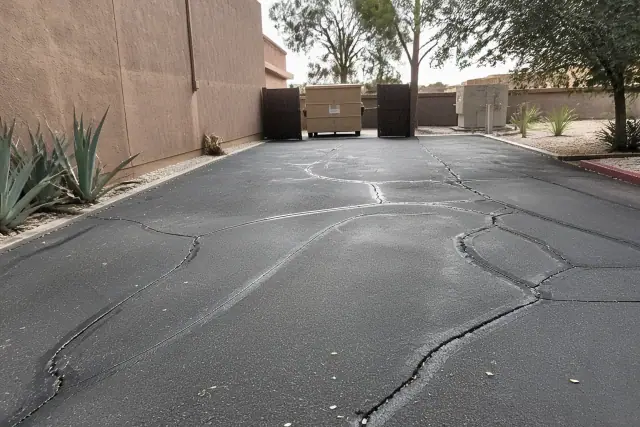
Alligator Cracking

Interconnected alligator cracks usually indicate base weakness, repeated heavy loading, poor drainage, or inadequate compaction. When base work is rushed, this pattern can appear within a season or two, and an overlay alone will not correct the underlying failure.

Potholes and Localized Failure

Potholes often develop where cracks allow runoff into a compromised base or where a small failed area is left open to traffic. A durable patch requires removal to solid edges, replacement of unstable base material, and hot mix compacted in lifts.

Rutting and Rough Surfaces

Wheel-path depressions and a rough riding surface can signal surface wear, inadequate density, or a structural section that is too light for the traffic. Milling and resurfacing may restore a sound base, while deeper movement can require removal and reconstruction.

Why Choose Us

Why Choose Tempe Asphalt in Paradise Valley?

Paradise Valley's own Pavement Management Program has operated since 2020 with a public-road maintenance plan scheduled through 2029, reflecting the value the town places on pavement condition. Private drives, resort access roads, and commercial lots on $1 million-plus properties deserve the same attention to base preparation, drainage, compaction, and finish quality.

Licensed and Insured

Tempe Asphalt holds the licensing required under the Arizona Registrar of Contractors and carries insurance appropriate to residential and commercial paving work. That foundation matters on properties where crews, excavation equipment, and heavy rollers work near buildings, landscaping, and active traffic.

Local Desert Expertise

Crews working in Sonoran Desert conditions week after week can account for extreme surface heat, monsoon forecasts, shifting soils, and runoff near mountain slopes. That knowledge informs mix selection, paving schedules, seal-coating intervals, and grading choices for Paradise Valley properties.

ASTM-Referenced Compaction

We build to ASTM-referenced compaction standards and check positive drainage on every project. Overlapping roller passes target the density needed to reduce early rutting, settlement, and water pathways through the pavement.

Paving Process

Our Asphalt Paving Process in Paradise Valley

New paving, resurfacing, and commercial lot work follow the same disciplined sequence: evaluate the site, establish grade, build a stable base, place hot mix, compact the mat, and complete the required finish work. The exact depth and repair scope are adjusted to pavement condition, soil, drainage, and traffic.

01.

Site Visit and Estimate

We inspect existing pavement, drainage patterns, soil conditions, traffic loads, and access before defining the work. The free estimate outlines the recommended scope and cost so repair, overlay, resurfacing, and replacement options are clear.

02.

Clearing, Removal, and Grading

The crew clears the work area, removes failed pavement or unstable material, and protects nearby landscape and hardscape features. We then establish the grade and slope needed to move water toward existing drainage and away from foundations.

03.

Base Installation and Compaction

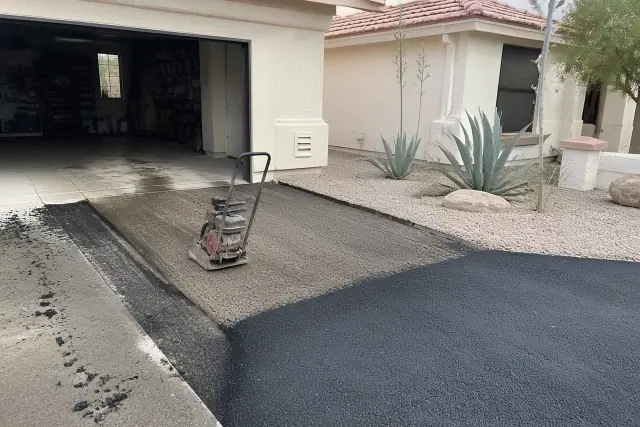
Aggregate base is installed and compacted to create a stable platform, sometimes incorporating recycled asphalt millings for cost efficiency and stability. Commercial applications receive a deeper structural section when heavier vehicle loads require it.

04.

Hot Mix Asphalt Placement

Hot mix is delivered, spread to the planned thickness, and worked within the temperature window needed for effective compaction. Summer placement may be scheduled in cooler early-morning or night hours to manage heat and timing.

05.

Rolling and Edge Finishing

Rollers compact the fresh mat in overlapping passes to reach target density while the crew finishes edges cleanly. We check crown, slope, transitions, and runoff so the completed surface sheds water as designed.

06.

Striping and Final Review

Where required, striping is added after the surface has cured enough to hold paint or thermoplastic markings. The final review covers drainage, transitions, edges, traffic flow, signage, and the completed scope before the area returns to normal use.

Planned Outcomes

Asphalt Outcomes for Estate, Resort & Commercial Properties

Case Study 1: For an estate driveway, the goal is a smooth, clean-edged surface with a compacted base and grade that directs runoff away from custom entries, landscaping, and structures.

Case Study 2: For a resort, office, or retail lot, phased paving can preserve access while the finished layout supports traffic flow, delivery vehicles, drainage, signage, and ADA-compliant striping.

Case Study 3: For worn pavement over a sound base, milling, repairs, and resurfacing can restore a uniform riding surface, followed by crack sealing and seal coating to protect the renewed mat.

Plan Your Paving Project

Request a Paradise Valley
Asphalt Paving
Estimate

Tell us whether you are planning a new driveway, commercial lot, repair, overlay, resurfacing, or maintenance work. We will schedule a site visit, evaluate the pavement and drainage conditions, and prepare a free estimate for the appropriate scope.

Asphalt Paving Help

FAQs About Asphalt Paving in Paradise Valley, AZ

These answers cover paving schedules, overlay decisions, maintenance, local conditions, and the project process. For advice tied to your driveway, private road, or commercial lot, call Tempe Asphalt to arrange a site visit and free estimate.

Call Our Experts

Crews often pave at night or early in the morning during summer to manage the compaction window for hot mix asphalt. When pavement surfaces exceed 140 degrees Fahrenheit, material placed near 300 degrees Fahrenheit can remain too hot for too long, increasing the risk of under-compaction and premature rutting. Cooler hours also reduce heat exposure for crews working around heavy equipment.

A properly installed overlay over a sound base typically lasts 15 to 20 years with regular seal coating and crack sealing. Low-traffic residential pavement may reach the higher end, while heavily traveled commercial lots wear faster. Existing base damage or drainage problems can shorten that life by reflecting through the new layer.

No. Paradise Valley and Scottsdale are separate incorporated municipalities in Maricopa County, even though they share a border and many regional amenities. Paradise Valley had around 12,658 residents as of the 2020 census, along with its own town council and separate permitting and municipal requirements that must be confirmed for paving work.

An overlay is a good option when fading, minor cracking, or roughness is limited to the surface and the base remains stable. It is not appropriate over extensive alligator cracking, potholes, or drainage-related base failure because those defects can return through the new asphalt. A site assessment should confirm the base before an overlay is recommended.

Paradise Valley is known for large estate lots, resorts, private golf courses, and high finish expectations. Paving plans often need to address long curved driveways, custom entries, delivery traffic, mature landscaping, irrigation, and decorative hardscape. That makes site-specific grading and material planning especially important.

Paradise Valley is known for luxury resorts, private golf courses, upscale restaurants, and Paolo Soleri's workshop. The town occupies a low desert basin framed by Camelback Mountain and Mummy Mountain, with large private lots and mountain views. Those features contribute to the custom nature of local driveway and private-road paving.

Yes. The vast majority of roads in Arizona, including routes in Paradise Valley and Maricopa County, use asphalt pavement rather than concrete. Asphalt supports comparatively fast repair work and handles the state's temperature swings, while the Arizona Department of Transportation and local municipalities maintain their own pavement programs.

Residential driveways generally should be seal coated every 2 to 3 years, while high-traffic commercial pavement may need more frequent attention. The sealer helps slow UV oxidation, resist oil and gasoline drips, and fill fine surface cracks before they widen. Surface condition should guide the actual schedule.

A typical residential installation uses 2 to 3 inches of hot mix asphalt over a 4 to 6 inch aggregate base. The final section should be adjusted for the site's soil, drainage, driveway length, and expected vehicle loads rather than applied as a universal specification.

An overlay places a new surface layer directly over pavement with a sound base and limited surface wear. Resurfacing is more aggressive: the top layer may be milled, surface defects and base irregularities are corrected, and then a new mat is installed. The cracking pattern and base condition determine which approach is suitable.

Patching works well when damage is isolated to a pothole or small failed section and the surrounding pavement is stable. Widespread cracking, rutting, or repeated failures across a larger area generally point toward resurfacing or deeper reconstruction. The repair should extend to solid pavement edges and stable base material.

Intense monsoon runoff can cross properties quickly and enter cracks, edges, or low areas in the pavement. Water intrusion weakens the base and contributes to potholes, edge cracking, settlement, and reflective cracking. Proper crown and slope direct water toward drainage and away from foundations.

Residential paving can cover private roads, motor courts, guest parking pads, RV pads, and custom courtyard entries. On larger Paradise Valley lots, each area must be graded around existing drainage, landscaping, irrigation, and decorative hardscape. New sections can be matched to existing pavement where practical.

The site visit reviews existing pavement, cracking, drainage patterns, soil conditions, traffic loads, access, and nearby property features. That information is used to define whether the project needs patching, an overlay, resurfacing, new paving, or full-depth replacement. Tempe Asphalt then provides a free estimate outlining the recommended scope and cost.

Tempe Asphalt works throughout Paradise Valley and regularly serves Scottsdale, Phoenix, Tempe, Cave Creek, Carefree, and Fountain Hills. The service area includes estate properties near Camelback Mountain and Mummy Mountain, the Lincoln Drive and Mockingbird Lane corridors, and commercial or resort properties along East Lincoln Drive.