Proudly serving Tempe, Mesa, Chandler, Scottsdale, Gilbert & surrounding areasCall or Text 24/7: +1 (480) 571-0856

Asphalt Paving, Commercial Parking Lots, and Driveway Services in Phoenix, AZ

Tempe Asphalt provides asphalt paving in Phoenix for residential, commercial, industrial, municipal, HOA, apartment, retail, and warehouse properties. Our services include driveway paving, parking lot installation, resurfacing, overlays, seal coating, striping, patching, pothole repair, slurry seal, and scheduled pavement maintenance. We plan each project around its traffic loads, drainage needs, and existing base condition. Property owners can request a free on-site paving quote before choosing a repair or replacement approach.

Unshaded asphalt surfaces in Phoenix regularly exceed 160 degrees, and the daily swing between hot afternoons and cooler desert nights drives repeated expansion and contraction. UV exposure accelerates binder oxidation, while monsoon water can enter cracks and soften the base. Caliche and expansive soils make careful grading, base preparation, and staged compaction especially important. Our locally owned, family-operated company brings 25 years of experience in this desert climate and works as a licensed, bonded, and insured contractor.

Phoenix covers 517.9 square miles, so we evaluate each property's soil, drainage, traffic, access, and pavement condition before preparing a written quote.

5-star rating4.9/5 Average Rating - 20+ Years of Experience - Phoenix Water Treatment Experts - Residential & Commercial
Phoenix Paving Services

Asphalt Paving Services for Phoenix Properties

We match the work to the pavement rather than defaulting every property to full reconstruction. Our crews handle projects across Phoenix neighborhoods and throughout the Valley, including Tempe, Scottsdale, Mesa, Chandler, Gilbert, Peoria, Paradise Valley, and Glendale. The right scope may be new installation, a structural repair, resurfacing, or a maintenance treatment when the existing base remains sound.

Driveway Asphalt Paving

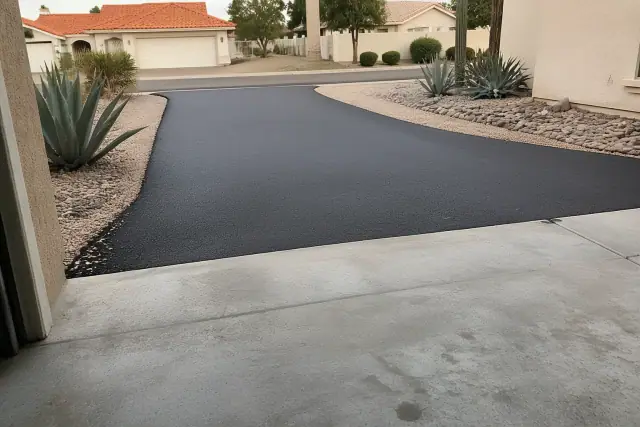
Driveway asphalt paving in Phoenix, AZ

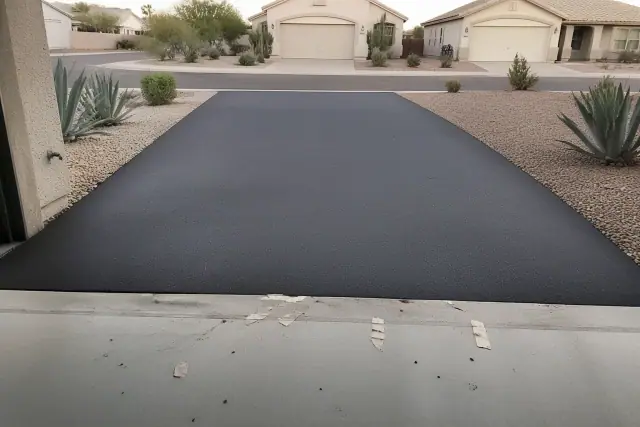
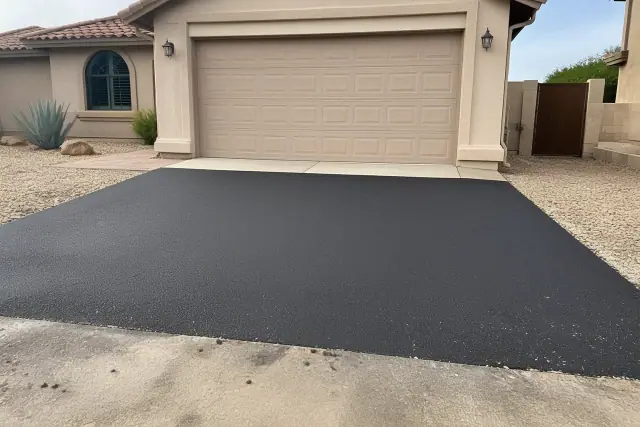
A Phoenix driveway typically needs at least 4 to 6 inches of compacted aggregate base and a 2 to 3 inch asphalt lift, adjusted for soil conditions and vehicle weight. We grade toward positive drainage and compact in stages; most new driveways can accept light foot traffic within 24 to 48 hours.

Explore Service

Commercial & Industrial Paving

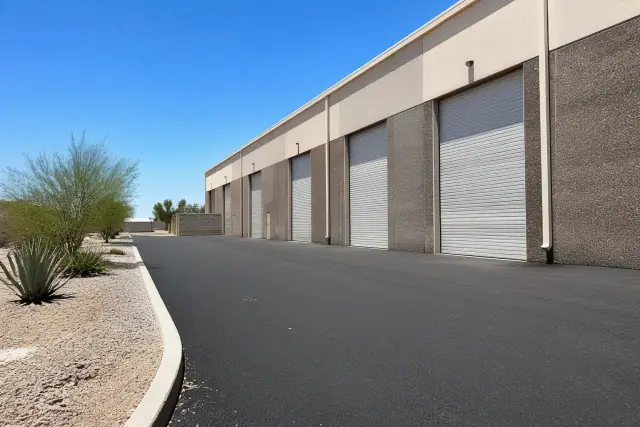
Commercial & industrial paving in Phoenix, AZ

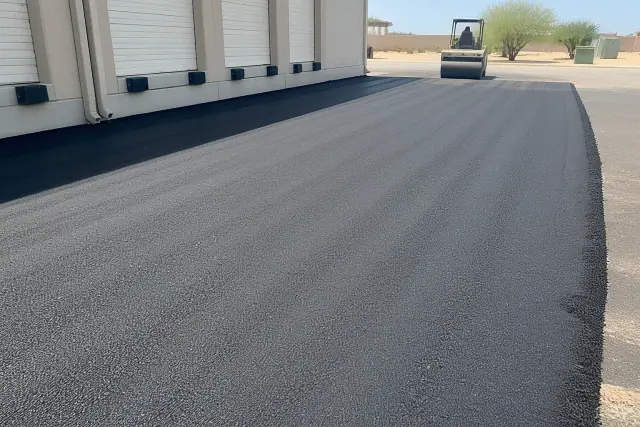
Commercial and industrial pavement carries heavier, more concentrated loads, so we design thicker structural sections and stronger base courses where conditions require them. Larger lots can be phased around business hours to preserve partial access for customers, tenants, and deliveries.

Explore Service

Parking Lot Asphalt Paving

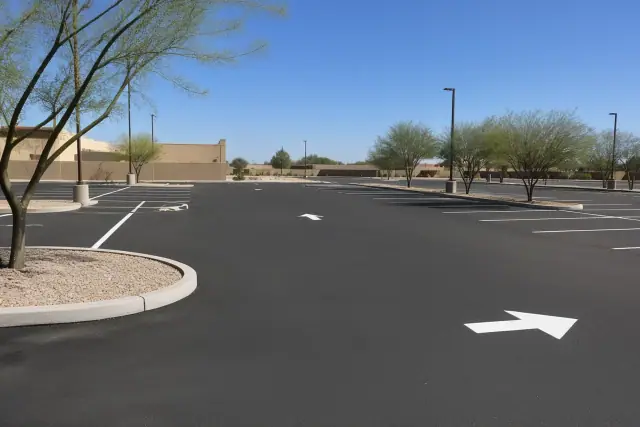
Parking lot asphalt paving in Phoenix, AZ

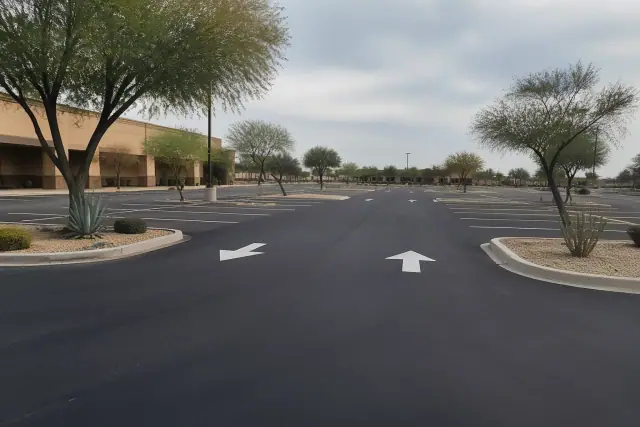
We pave retail, apartment, and warehouse parking lots for daily turnover and delivery traffic. The work can include ADOT-referenced compaction and thickness standards, drainage planning, striping, and ADA-compliant accessible-space layouts.

Explore Service

Residential Asphalt Paving

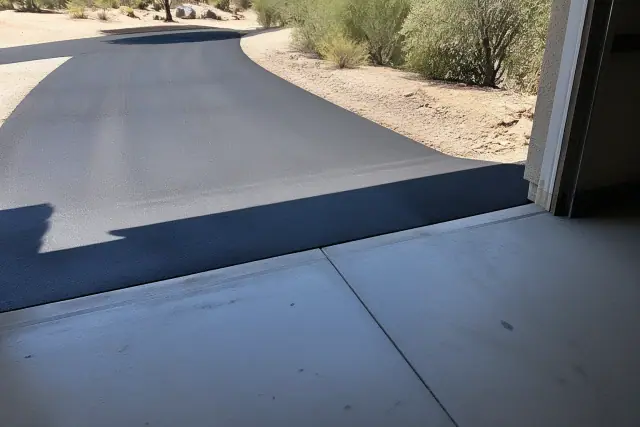
Residential asphalt paving in Phoenix, AZ

Residential paving includes private roads, RV pads, side-yard access, and driveways throughout Phoenix subdivisions and HOA communities. Proper subgrade compaction is central to resisting the early cracking and rutting that follow when unstable soil is left beneath the surface.

Asphalt Seal Coating

Asphalt seal coating in Phoenix, AZ

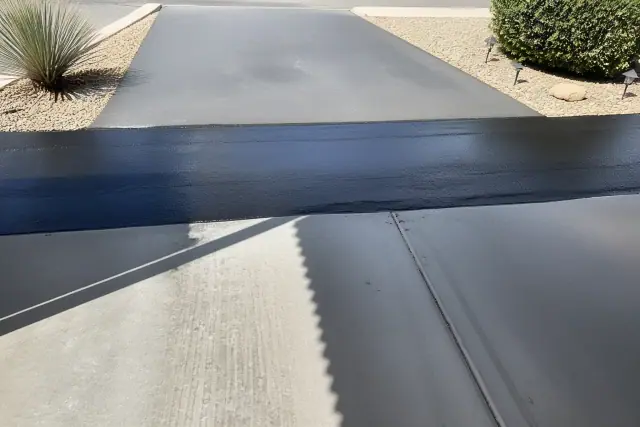
Seal coating protects asphalt binder from UV oxidation, surface raveling, and progressive cracking. Most Phoenix properties benefit from a 2 to 3 year seal-coating cycle, with earlier attention considered for heavily exposed pavement without shade structures.

Asphalt Striping

Asphalt striping in Phoenix, AZ

We stripe parking stalls, accessible spaces, fire lanes, and directional arrows with reflective traffic-grade paint rated for UV durability. Phoenix lots commonly need restriping every 1 to 2 years to maintain visibility and required layouts.

Patching & Pothole Repair

Patching & pothole repair in Phoenix, AZ

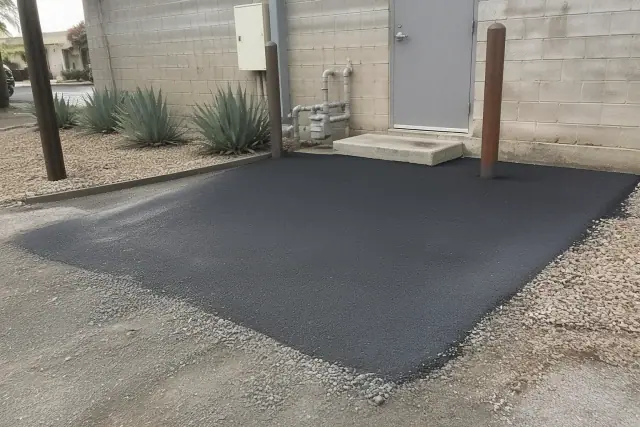
For failures caused by roots, utility cuts, water intrusion, or base damage, we saw-cut a clean perimeter, remove failed pavement to stable material, and compact new asphalt in lifts. Prompt pothole repair can keep a localized failure from spreading into a larger full-depth repair.

Slurry Seal

Slurry seal in Phoenix, AZ

Slurry seal combines emulsified asphalt, fine aggregate, and additives into a protective wearing surface. It is suited to HOA common areas, municipal streets, and lots with fine surface cracking when the structural base remains sound.

Resurfacing & Asphalt Overlay

Resurfacing & asphalt overlay in Phoenix, AZ

Resurfacing or an overlay can renew moderately cracked or rutted pavement without full removal when the base is sound. Milling protects elevations at drains and curbs, resurfacing can add 10 to 15 years of service life, and a standard driveway or small lot overlay may be completed in a single day; unresolved full-depth failure can return within a year or two.

New Asphalt Installation

New asphalt installation in Phoenix, AZ

New installation covers excavation, subgrade preparation, aggregate base compaction, and final asphalt placement from bare or demolished ground. Residential asphalt lifts are typically 2 to 3 inches, while commercial and industrial sections carrying heavy trucks are often 3 to 4 inches or more.

Project Planning

How to Choose the Right Asphalt Work in Phoenix

The right option depends on square footage, base condition, pavement distress, required thickness, drainage, traffic, and site access. Standard driveway and small-lot paving in the Phoenix market typically runs $3 to $6 per square foot; a typical 20x20 driveway, or 400 square feet, generally falls between $1,500 and $3,000 depending on base condition, thickness, and site preparation. An on-site evaluation determines whether maintenance, repair, overlay, or reconstruction is the better use of the budget.

Base & Soil Condition

Caliche, expansive soil, organic material, and unstable areas must be identified before paving. The recommendation should account for excavation depth, stable subgrade, and whether the existing base can support the planned surface.

Traffic Loads & Property Use

A residential driveway, RV pad, retail lot, warehouse yard, and municipal street place different demands on asphalt. Vehicle weight and traffic concentration guide base strength, lift thickness, phasing, and access planning.

Drainage & Monsoon Flow

Positive drainage is planned before the asphalt is placed because correcting slopes afterward is costly. Elevations at streets, drains, and curbs must move intense monsoon runoff away from low spots instead of allowing it to pond.

Pavement Distress Level

Fine surface cracking with a sound base may suit slurry seal, while localized failure calls for a full-depth patch. Moderate distress may support an overlay or resurfacing, but widespread base failure points toward reconstruction.

Thickness & Compaction

A written scope should identify aggregate base thickness, asphalt lift thickness, and the compaction method. Stage-by-stage testing and vibratory rolling reduce the risk of weak areas hidden beneath an otherwise smooth surface.

Maintenance Timing

Cracks should be sealed when they appear rather than after water reaches the base. Coordinating crack sealing, seal coating, striping, and periodic inspections on a schedule protects the pavement and makes larger repairs easier to plan.

Phoenix Pavement Issues

Common Asphalt Problems on Phoenix Properties

Extreme heat, intense UV exposure, low humidity, sudden monsoon rainfall, and shifting desert soils can damage both the asphalt surface and its supporting base. A pavement section installed without suitable base preparation and lift thickness may show distress within 2 to 3 years instead of lasting 15 to 20 years. Identifying the cause first helps separate surface maintenance from structural repair.

Request Pavement Evaluation

UV Oxidation & Raveling

Arizona sun accelerates oxidation of the asphalt binder. The surface can fade, dry out, and shed aggregate before cracks open, making timely crack sealing and seal coating important maintenance steps.

Thermal Expansion & Cracking

Dark asphalt can run 40 to 60 degrees hotter than the ambient air during peak summer months. Repeated movement between scorching afternoons and cooler nights stresses ordinary mixes and widens existing cracks.

Rutting Under Heavy Loads

On a July afternoon when ambient temperatures reach 110 degrees, softened asphalt is more vulnerable to deformation beneath trucks and concentrated wheel paths. Suitable mix selection, structural thickness, and base compaction help resist rutting.

Monsoon Ponding & Base Erosion

Monsoon season typically runs from June through September and can deliver short, intense rainfall. Poorly graded pavement holds water in low spots, where it can enter cracks and weaken the aggregate base.

Potholes & Localized Failures

Potholes often begin when water infiltrates a crack, softens the base, and repeated traffic breaks the unsupported surface. Tree roots, utility cuts, and isolated base failure can create similar damage that needs removal to stable material.

Caliche & Expansive Soil Movement

Caliche is a hardened calcium carbonate layer common in Maricopa County soils, and it can trap water against the pavement section. Expansive soil also shifts as moisture changes, so excavation, grading, and compaction must respond to actual site conditions.

Why Choose Us

Why Choose Tempe Asphalt in Phoenix?

Tempe Asphalt is a local, family-owned paving contractor serving residential, HOA, commercial, industrial, and municipal properties across the Valley. We combine desert-climate experience with site-specific planning, tested compaction, and clear written scopes. Our crews also coordinate with local permit offices and inspection requirements on commercial and municipal work.

Phoenix Climate Experience

Our crews select mix designs and working hours for high-temperature performance rather than relying on a generic specification. Local experience also informs drainage plans for monsoon runoff and base preparation over desert soils.

Compaction Testing & Site Preparation

We test compaction at project stages instead of judging density only by appearance. Excavation, subgrade preparation, aggregate placement, and staged rolling receive the same attention as the finished asphalt surface.

Clear Site-Based Quotes

A free quote follows a property walk so the scope can reflect drainage, access, base depth, demolition, and pavement thickness. We identify the possibility of hidden base failure before excavation rather than presenting square footage as the entire price.

Paving Process

Our Asphalt Paving Process in Phoenix

Each project moves from site evaluation to a pavement section designed for the property's soil, water flow, access, and traffic. The exact scope may include removal, repair, resurfacing, or new installation, but the sequence protects drainage and compaction before the finished surface opens to traffic.

01.

Site Evaluation

We walk the property to review soil conditions, current drainage patterns, pavement distress, site access, and the traffic loads the finished surface must support.

02.

Excavation or Milling

Depending on the project, we remove unstable soil or failed pavement, demolish an existing surface, or mill asphalt where elevations must remain aligned with drains and curbs.

03.

Subgrade Preparation

Organic material and unstable soil are removed before the exposed subgrade is shaped and compacted. This establishes a stable platform for the base.

04.

Aggregate Base Placement

Aggregate base is placed and compacted in 4 to 6 inch lifts with a vibratory roller until it reaches the required density. Grading at this stage establishes positive drainage before asphalt covers the work.

05.

Asphalt Placement & Compaction

Asphalt lifts are placed at the correct working temperature and compacted in stages rather than with a single pass. Phoenix summer projects may be scheduled in early morning or evening hours to protect workability and finishing.

06.

Cure, Striping & Reopening

Fresh asphalt typically accepts light foot traffic within 24 to 48 hours and may need up to 72 hours before vehicle use, depending on temperature and mix design. We advise keeping heavy vehicles and sharp-edged items off the new surface for at least 3 to 5 days, then complete required striping, wheel stops, or bollards.

Practical Results

Pavement Outcomes for Phoenix Homes & Businesses

Case Study 1: Careful base preparation helps a residential driveway avoid the alligator cracking that can appear within 36 months after poor compaction. With proper maintenance, low-traffic residential asphalt typically lasts 20 to 30 years.

Case Study 2: Commercial lots can be phased to preserve partial access while thicker sections support deliveries and turnover traffic. Properly maintained high-traffic commercial lots and arterial-style access roads generally run closer to 15 to 20 years.

Case Study 3: When the base remains sound, patching, slurry seal, resurfacing, or an overlay can extend useful pavement life without the cost and disruption of full reconstruction. Scheduled inspections help HOAs, retail centers, and municipal properties address small failures before they become major repair items.

Plan Your Paving Project

Schedule a Phoenix
Asphalt Paving
Evaluation

Request a free on-site quote for a Phoenix driveway, parking lot, repair, resurfacing project, or maintenance plan. We will review the existing base, drainage, thickness needs, access, and site preparation before recommending a scope.

Phoenix Paving Help

FAQs About Asphalt Paving in Phoenix, AZ

These answers cover Phoenix paving costs, construction details, cure time, maintenance, repair choices, and service coverage. A site visit is still the best way to match those general guidelines to a specific property.

Call Our Paving Team

Standard driveway and small-lot paving in the Phoenix market generally costs $3 to $6 per square foot. Base condition, asphalt thickness, demolition, drainage corrections, and site access affect the final total, while larger commercial work may cost less per square foot because of delivery and scheduling efficiencies.

New asphalt typically accepts light foot traffic within 24 to 48 hours and may require up to 72 hours before vehicle traffic, depending on temperature and mix design. Avoid heavy vehicles or sharp-edged items for at least 3 to 5 days to reduce the chance of impressions or surface damage.

Commercial and municipal paving may move to evening, overnight, or early-morning hours to reduce traffic disruption and avoid peak daytime heat. The ground can be 20 to 30 degrees hotter than the air, so cooler work windows can improve compaction control and surface finishing.

A typical driveway needs at least 4 to 6 inches of compacted aggregate base and a 2 to 3 inch asphalt lift, adjusted for soil condition and vehicle weight. Commercial and industrial sections carrying heavy trucks are often 3 to 4 inches or more and may require a stronger base course.

Most Phoenix properties benefit from seal coating every 2 to 3 years. Pavement with intense sun exposure and no shade structures may need earlier evaluation because UV oxidation dries the binder and contributes to raveling and cracking.

Many lots need restriping every 1 to 2 years because intense UV exposure fades pavement markings. The exact timing depends on traffic, shade, surface condition, and the visibility of stalls, accessible spaces, fire lanes, and arrows.

An overlay can work when pavement has moderate distress but the underlying base remains structurally sound. Full-depth cracking or widespread base failure generally needs removal and repair first, because a new surface alone only hides the structural problem.

Slurry seal is a mixture of emulsified asphalt, fine aggregate, and additives that forms a protective wearing surface. It is appropriate for fine surface cracking on lots, HOA common areas, and municipal streets when the base remains sound, but it does not replace structural repair.

Monsoon water can enter an open crack, soften the base, and leave the surface unsupported under traffic. A proper repair removes the failed section to stable material, restores the base as needed, and compacts replacement asphalt in lifts.

Caliche can trap water against a pavement section, while expansive soil moves as moisture conditions change. Positive drainage, stable subgrade, suitable aggregate base, and stage-by-stage compaction help the pavement handle sudden runoff and desert soil movement.

With proper maintenance, low-traffic residential pavement typically lasts 20 to 30 years. High-traffic commercial lots and arterial-style access roads are generally closer to 15 to 20 years, with traffic, drainage, base quality, and maintenance affecting actual service life.

A written quote should identify aggregate base thickness, asphalt lift thickness, compaction method, and site preparation such as grading or demolition. It should also address drainage, access, and the possibility of hidden base failure discovered after excavation begins.

The service area includes Phoenix, Tempe, Scottsdale, Mesa, Chandler, Gilbert, Glendale, Peoria, Paradise Valley, and Maricopa County. Within Phoenix, the draft identifies Arcadia, Biltmore, Camelback East, Ahwatukee, Laveen, Deer Valley, South Mountain, and the Sky Harbor industrial corridor.

Tempe Asphalt works on single-family driveways, private roads, RV pads, HOA common areas, apartment parking, retail-center lots, multi-acre warehouse and industrial pavement, and municipal contracts. Scope and pavement thickness are matched to the property's traffic, soil, drainage, and access.

A maintenance plan can combine crack sealing as cracks appear, seal coating cycles, periodic inspection, and restriping where markings are required. Scheduling these tasks helps HOAs, retail properties, and municipal sites address small problems before water intrusion or traffic turns them into larger repairs.