Proudly serving Tempe, Mesa, Chandler, Scottsdale, Gilbert & surrounding areasCall or Text 24/7: +1 (480) 571-0856

Asphalt Paving and Pavement Repair for Chandler, AZ Properties

Tempe Asphalt provides asphalt driveway paving, commercial and industrial parking lot paving, asphalt repair and patching, and resurfacing for properties in Chandler, Arizona. Our paving work also includes overlays, sealcoating, crack repair, pothole filling, milling, and full-depth removal. We serve homeowners, HOAs, retail centers, office parks, warehouses, and industrial yards across Chandler and the East Valley. Each project begins with the pavement's traffic demands, soil condition, and drainage needs in view.

Chandler's caliche-heavy subgrade moves through monsoon downpours and stretches of 115°F summer heat. That movement can crack driveways, buckle parking lots, and turn small potholes into structural failures. We evaluate soil, base depth, compaction, drainage, and expected traffic before recommending repair, overlay, or replacement. The goal is a paving plan built for the property's actual conditions rather than a thin, one-size specification.

From a single driveway in Ocotillo to a multi-acre lot near the Price Corridor, projects receive the same base-preparation and compaction discipline. We work throughout Arizona's fourth-most populous city in Maricopa County and the Phoenix-Mesa-Chandler metro area, including Downtown Chandler, Chandler Fashion Center, Fulton Ranch, the Airpark District, Sun Groves, and areas near Sun Lakes, as well as Gilbert, Mesa, Tempe, and Queen Creek.

5-star rating4.9/5 Average Rating - 20+ Years of Experience - Chandler Water Treatment Experts - Residential & Commercial
Paving Services

Asphalt Paving Services in Chandler, AZ

Tempe Asphalt is a licensed asphalt paving contractor whose crews work insured and to Maricopa Association of Governments paving specifications. We scope residential driveways, HOA common areas, retail lots, and industrial yards by soil, traffic load, drainage, and required base depth; property managers coordinating multiple Valley sites can also review our paving services in Scottsdale. Every proposal identifies material depth, base-compaction targets, and included work before paving begins.

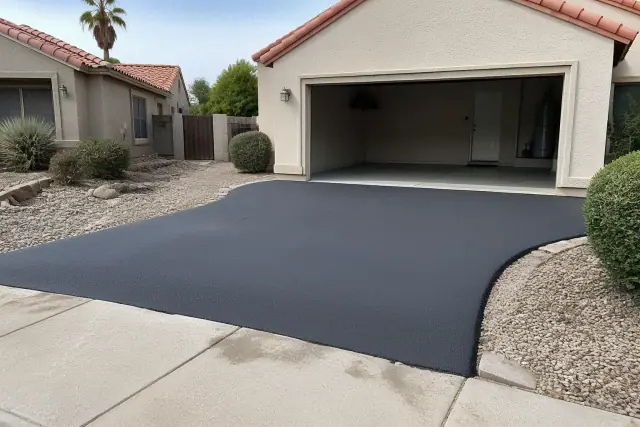
Asphalt Driveway Paving

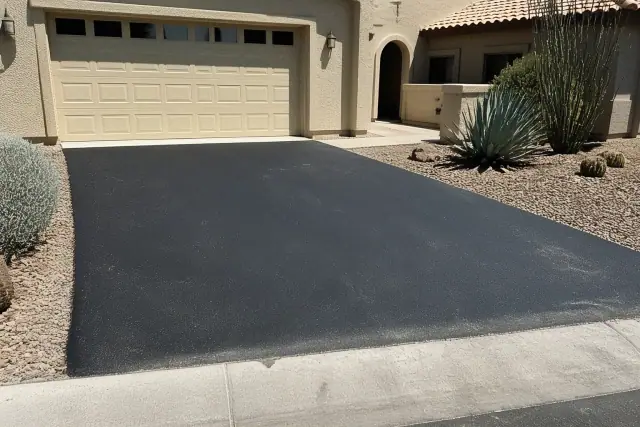
Asphalt driveway paving in Chandler, AZ

A Chandler residential driveway typically uses 2 to 3 inches of compacted asphalt over a graded aggregate base, often 4 to 6 inches depending on soil and vehicle loads. We compact the base in stages, grade drainage away from the foundation, and usually place the surface in a single lift; excavation through final rolling commonly takes one to two days, depending on size and access.

Explore Service

Parking Lot Paving

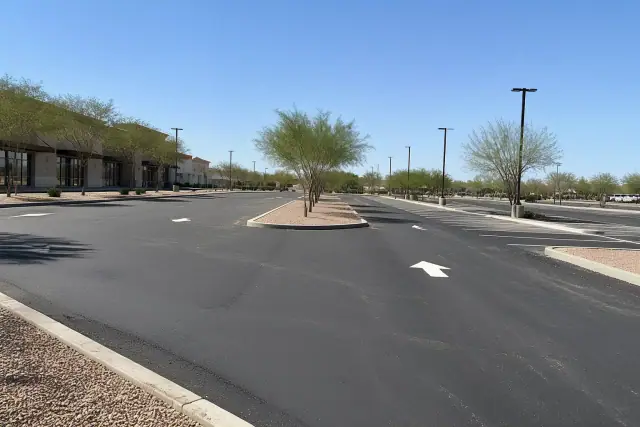
Parking lot paving in Chandler, AZ

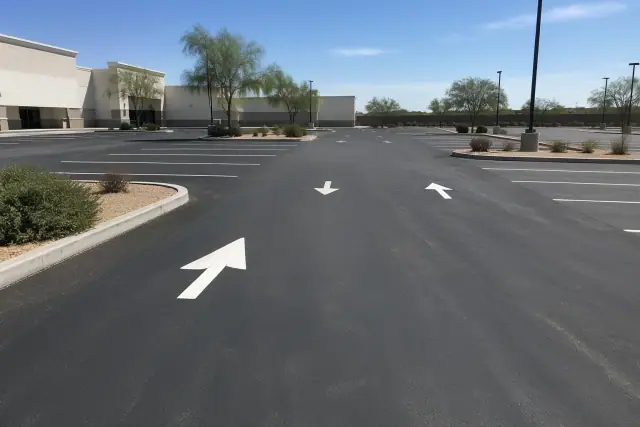
Commercial and industrial lots need deeper base sections and often a two-lift paving design for delivery trucks, forklifts, and daily customer traffic. We design cross-slope for drainage, test base compaction before paving, and account for MAG specifications, ADA-compliant striping, and accessible routes.

Explore Service

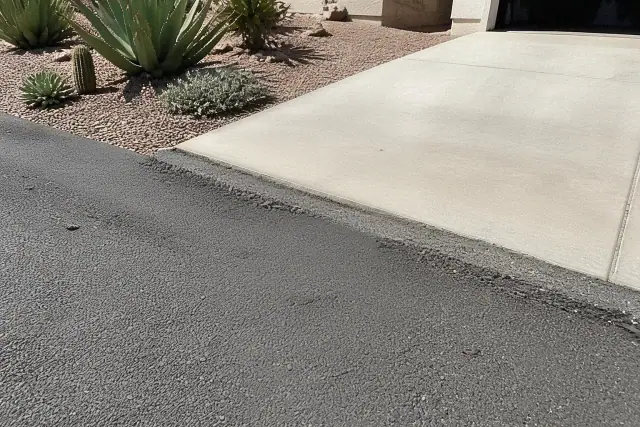
Asphalt Repair and Patching

Asphalt repair and patching in Chandler, AZ

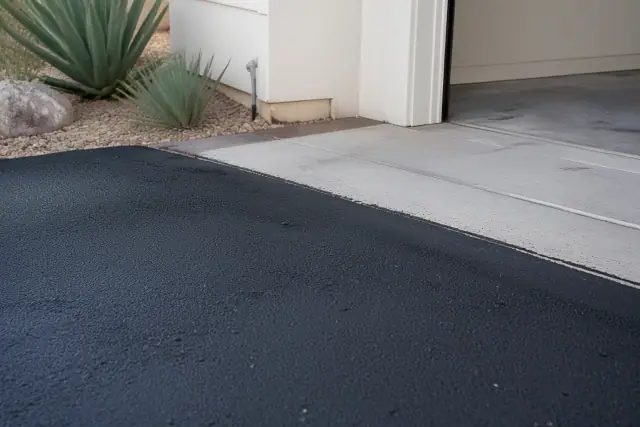
For isolated failures such as edge crumbling, birdbaths, and localized cracking, we cut back to sound material and inspect the base beneath the damage. If the base is compromised, we rebuild it before placing and compacting hot mix asphalt to the surrounding grade instead of skin-patching over a structural problem.

Explore Service

Asphalt Resurfacing and Overlays

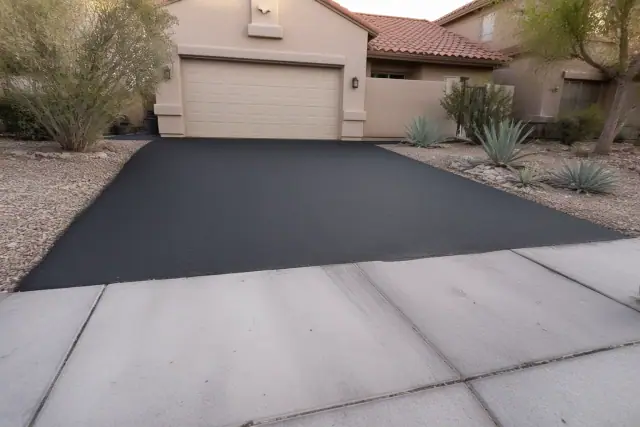
Asphalt resurfacing and overlays in Chandler, AZ

An overlay places a new 1.5- to 2-inch lift over pavement that is structurally sound but worn at the surface. It can be a practical alternative to removal when cracking covers less than 25% of the pavement; over a failed base or widespread alligator cracking, damage can reflect through again within a year or two.

Asphalt Sealcoating

Asphalt sealcoating in Chandler, AZ

Arizona UV exposure oxidizes asphalt binder, leaving the surface brittle and more open to water. Sealcoating every two to three years helps replace lost binder, limit water intrusion, and slow the crack formation that leads to larger repairs.

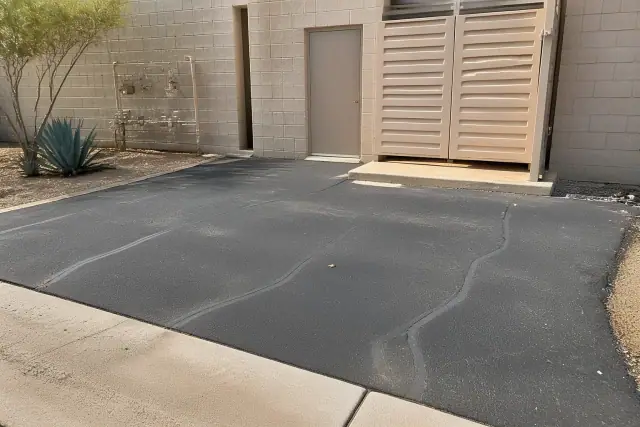
Hot-Applied Crack Repair

Hot Applied crack repair in Chandler, AZ

July temperatures well over 110°F and winter nights in the 40s keep Chandler pavement expanding and contracting. We route and seal suitable cracks with hot-applied rubberized sealant that flexes with the pavement instead of simply filling the opening with a rigid cold material.

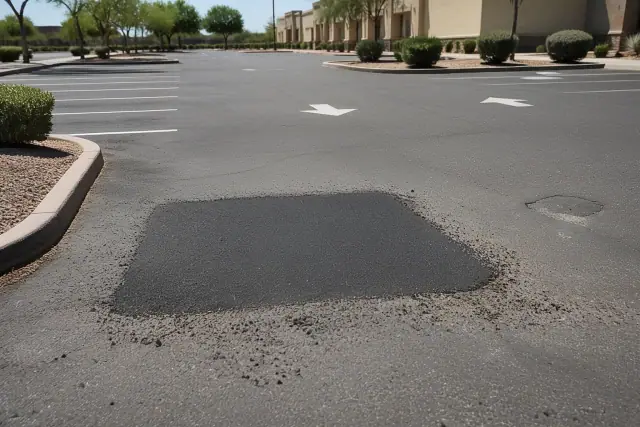
Pothole Repair

Pothole repair in Chandler, AZ

Pothole repair starts by cutting back to solid edges and checking whether standing water has saturated the base. We address the failed support, place new hot mix, and compact it in place rather than leaving loose cold patch over a wet cavity.

Asphalt Milling

Asphalt milling in Chandler, AZ

Milling removes a failed surface layer or creates room for a properly bonded overlay. It is also useful when existing grades cause drainage trouble or leave too little clearance at curbs, allowing the replacement surface to meet the correct elevation.

Full-Depth Removal and Reclamation

Full Depth removal and reclamation in Chandler, AZ

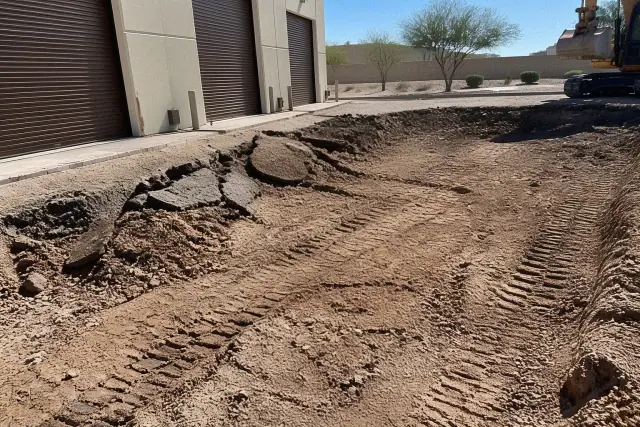
When pavement and base are too deteriorated for an overlay, we remove the failed asphalt and excavate as needed to rebuild from stable subgrade. Fresh aggregate and hot mix then restore the section according to soil conditions, drainage, and the loads the finished pavement must carry.

Commercial Lot Maintenance and Striping

Commercial lot maintenance and striping in Chandler, AZ

We coordinate sealcoating, full-depth repairs, striping layouts, ADA parking counts, accessible routes, and wheel stops for retail, office, HOA, warehouse, and industrial properties. Work can be phased around business hours to reduce disruption for tenants and customers while keeping maintenance timing consistent across multiple sites.

Project Planning

How to Choose the Right Asphalt Approach

The right choice among patching, overlay, and replacement depends on the base, crack pattern, drainage, traffic, and access-not the surface appearance alone. Paving-mixture producer prices have moved sharply, making a properly completed repair now potentially less costly than deferring it for eighteen months. National asphalt projects average around 4% above the original bid when unexpected base conditions appear mid-job, so we inspect the soil and existing section before defining the scope.

Start With the Subgrade

Chandler's expansive, caliche-laden soil swells and contracts as seasonal moisture changes. A surface specification is only meaningful after the stable subgrade, soft areas, and need for excavation or added aggregate have been evaluated. Thin base sections that ignore those conditions can fail within a few years.

Match the Base to Traffic

Passenger vehicles, RVs, work trucks, delivery vehicles, and forklifts impose different loads. Residential sections can often be lighter, while commercial aggregate base is compacted in lifts and typically tested to 95% or higher of maximum dry density before asphalt placement.

Plan for Fast Monsoon Drainage

A monsoon can drop an inch of rain in under an hour, so positive drainage and commercial cross-slope must move water off the pavement quickly. Properties near the Consolidated Canal or over heavier clay pockets deserve extra attention because standing water accelerates base saturation and surface failure.

Measure the Failure Pattern

A structurally sound surface with limited wear may suit an overlay, but widespread alligator cracking points to failed support beneath it. We distinguish isolated damage from base failure so the proposed treatment addresses the cause instead of hiding it briefly.

Specify the Right Material Depth

Two inches of compacted asphalt can serve a light-duty driveway when the base beneath it is properly engineered. Heavier vehicles or regular work-truck parking can warrant 3 inches of asphalt or a reinforced base, so depth should follow the expected load rather than a default quote.

Account for Pavement Life

Asphalt generally reaches major rehabilitation at about 13 to 17 years. With consistent maintenance, low-traffic residential driveways can reach 20 to 30 years, while high-traffic commercial lots often fall closer to 10 to 15 years. Base preparation and maintenance timing matter more than how the surface mix looks on day one.

Chandler Pavement Issues

Common Asphalt Problems for Chandler Properties

Caliche movement, intense UV exposure, rapid temperature changes, and concentrated monsoon water can damage pavement from both above and below. Identifying whether distress begins in the surface, base, or drainage pattern determines whether crack sealing, patching, milling, overlay, or full reconstruction is appropriate.

Request a Pavement Inspection

Caliche Subgrade Movement

Expansive caliche-heavy soil can swell after rain and contract as it dries, moving the pavement structure above it. Cracks that repeatedly return after surface filling may indicate that the aggregate base or subgrade needs attention.

Monsoon Saturation

Heavy rainfall can enter open cracks and saturate an unprotected base before intense heat drives rapid evaporation. The repeated wet-dry cycle weakens support and can turn a small depression or crack into a larger structural problem.

UV Oxidation

Unshaded Chandler asphalt can exceed 150°F at the surface, accelerating binder oxidation and leaving pavement gray, brittle, and less flexible. Once the surface opens, water and grit can work deeper into the section and speed up deterioration.

Temperature-Swing Cracking

Daily and seasonal temperature swings make asphalt expand, soften, and contract. Unsealed cracks widen with that movement, admit water, and eventually require more than a surface-level repair.

Alligator Cracking and Base Failure

Interconnected alligator cracks usually signal fatigue and weakened support rather than a single surface split. Covering that pattern with a skin patch or overlay without repairing the base allows the same damage to reflect back through.

Standing Water and Potholes

Birdbaths, low spots, and poor drainage hold water against the pavement and soften vulnerable base material. As traffic breaks the unsupported surface edges, a shallow depression can become a pothole that needs a squared cut, base correction, hot mix, and compaction.

Why Choose Us

Why Choose Tempe Asphalt in Chandler?

Paving in Chandler calls for more than placing a dark surface over an existing grade. Tempe Asphalt combines licensed, insured work with soil evaluation, base design, compaction testing, drainage planning, permit coordination, and a written scope matched to residential or commercial use.

Licensed, Insured, and MAG-Aligned

Our crews work insured, and Tempe Asphalt is a licensed paving contractor. We build to Maricopa Association of Governments specifications, pull City of Chandler permits when required, coordinate inspections, and incorporate ADA access requirements for commercial parking areas.

Chandler Soil and Heat Experience

Our recommendations account for Chandler's caliche profile, extreme surface heat, and rapid monsoon drainage demands. That local judgment identifies where added base depth or stronger grading can help pavement hold through five monsoon seasons instead of requiring avoidable patching in year two.

Clear Scope and Scheduling

Proposals break out excavation, base material and depth, asphalt thickness, labor, striping, and drainage work so the planned section is visible before scheduling. For operating properties along Loop 202 and Chandler's business corridors, we can phase lot repairs and sealcoating around business hours to reduce tenant and customer disruption.

Paving Process

Our Asphalt Paving Process in Chandler

Each job follows a controlled sequence from subgrade preparation through final rolling, with the section adjusted for site access, soil, drainage, and traffic. Commercial work adds compaction testing, striping, accessible routes, and phasing details as the property requires.

01.

Inspect and Excavate

We evaluate the existing pavement, soil, access, traffic, and visible drainage trouble, then remove failed material or vegetation down to stable subgrade. Soft or saturated areas are identified before new aggregate covers them.

02.

Grade for Positive Drainage

The site is shaped to move water away from foundations and out of parking areas without creating low spots. Commercial cross-slope, curb elevations, and drainage paths are set before base placement.

03.

Build and Test the Aggregate Base

Aggregate is placed and compacted in lifts with a vibratory roller to the density required by the anticipated load. Commercial base is typically verified at 95% or higher of maximum dry density before hot mix goes down.

04.

Place Hot Mix Asphalt

Hot mix is generally laid between 275°F and 300°F so it remains workable enough to bond and reach the intended density. Most residential driveways use a single lift, while heavier commercial designs can call for two lifts.

05.

Compact and Finish the Surface

Steel-wheel and pneumatic rollers follow placement immediately, closing voids and matching the specified grade. This final density is a major factor in how the pavement handles traffic, heat, and moisture over the next decade.

06.

Stripe and Follow Cure Guidance

Commercial striping, ADA markings, and wheel stops are completed after the surface can hold paint without tracking. Arizona pavement is typically firm enough for light foot traffic within a day and vehicles within 2 to 3 days, while full cure to maximum hardness takes closer to 6 to 12 months.

Project Applications

Asphalt Solutions for Chandler Properties & Businesses

Case Study 1: For residential properties, the work may be a new driveway, a sound-base overlay, or full removal where caliche movement has compromised the section. Access, drainage away from the foundation, vehicle type, and base condition shape the recommendation.

Case Study 2: For HOAs, retail centers, offices, warehouses, and industrial yards, deeper sections and phased work can keep vehicle loads, accessible routes, tenant access, drainage, and striping aligned with the property's daily use.

Case Study 3: For aging but maintainable pavement, routed crack sealing, full-depth patches, sealcoating, milling, and overlays can be scheduled in the order the surface needs. A rotating plan helps property managers address isolated failures before they spread across a larger lot.

Plan Your Project

Request a Chandler
Asphalt
Estimate

Tell us whether you are planning a driveway, parking lot, repair, overlay, sealcoating, or removal project. We will look at the property, evaluate the base and drainage, and provide a written scope with material depth and included work.

Chandler Paving Help

FAQs About Asphalt Paving in Chandler, AZ

These answers cover common questions about Chandler driveway pricing factors, asphalt thickness, overlays, maintenance, local soil, commercial paving, and cure time. A site evaluation is still needed to confirm the base condition, drainage, access, and material quantities for a particular property.

Call About Your Project

A 20x20 driveway is 400 square feet, but its price depends on existing base conditions, equipment access, and whether the project is a new installation or an overlay. A straightforward 2-inch overlay over sound support is a different scope from full excavation and repaving with a new base. Very small jobs can carry higher per-square-foot pricing because mobilization and equipment costs do not shrink at the same rate. Tempe Asphalt measures the site and provides a written breakdown of base work, asphalt depth, and labor.

A 200-foot driveway must be measured by both length and width because total square footage drives material and labor quantities. Long runs can also require culvert crossings, added drainage grading, a wider street apron, or extra base where the caliche subgrade changes. We inspect the full route for low spots and soft areas before quoting.

The terms are often used interchangeably by homeowners, but blacktop generally refers to an asphalt mixture with a higher stone-to-bitumen ratio and it can include more recycled material. For a Chandler driveway, the mix design, expected traffic, base, and heat exposure matter more than the label. We select the section and mix around those conditions.

Two inches of compacted asphalt is generally workable for a residential driveway carrying passenger vehicles when the aggregate base is properly graded and compacted to 4 to 6 inches or more as conditions require. Heavier vehicles, RVs, or work trucks may call for 3 inches of asphalt or a reinforced base. The expected load and soil condition should determine the final section.

Arizona heat speeds initial cooling and set, so new asphalt is typically firm enough for light foot traffic within a day and vehicle traffic within 2 to 3 days. Full curing to maximum hardness takes closer to 6 to 12 months. We explain the correct access stage for each driveway or lot before leaving the site.

Asphalt generally needs major rehabilitation after about 13 to 17 years. Consistently maintained, low-traffic residential driveways can reach 20 to 30 years, while high-traffic commercial lots often fall nearer 10 to 15 years. Base preparation, drainage, early crack repair, and maintenance timing help determine where a property lands within those ranges.

An overlay is appropriate when the existing base remains structurally sound and the surface is worn rather than broadly failed. Chandler pavement with less than 25% cracking may be a candidate for a new 1.5- to 2-inch lift. Widespread alligator cracking or base movement usually points toward full-depth repair or removal instead.

Sealcoating every two to three years helps counter the binder oxidation caused by Arizona UV exposure. It also limits water entry and slows the cracking that can lead to larger repairs. Existing cracks and potholes should be addressed before the protective coating is applied.

Widespread alligator cracking, recurring potholes, saturated base, and sections that sink or move can indicate failure beneath the surface. Full-depth repair cuts back to sound material, rebuilds compromised support, and compacts new hot mix to the surrounding grade. A surface patch alone does not correct a failed base.

A typical residential driveway project takes one to two days from excavation through final rolling, depending on square footage, equipment access, grading, and base work. Access restrictions after placement are separate from construction time. Vehicle use is typically delayed for 2 to 3 days while the surface firms.

Caliche-laden subgrade expands with seasonal moisture and contracts as it dries, moving the aggregate and asphalt above it. Monsoon saturation followed by intense heat makes that cycle especially demanding. Proper excavation, aggregate depth, staged compaction, and drainage grading help the pavement resist that movement.

Unshaded pavement can exceed 150°F, which softens the binder during the day and accelerates oxidation. Cooler nights then contract the surface, helping cracks open over time. Crack sealing and scheduled sealcoating address different parts of that heat-driven deterioration.

After excavation and drainage grading, aggregate is placed and compacted in lifts with a vibratory roller. Residential base commonly runs 4 to 6 inches depending on soil and load, while commercial work is typically tested to 95% or higher of maximum dry density. Asphalt is placed only after the base meets the project's support requirements.

The City of Chandler requires permits for most new paving and significant repair work through Development Services. Arizona contractor licensing is administered through the Arizona Registrar of Contractors. Commercial lots also need to account for Maricopa Association of Governments paving specifications and ADA parking and access routes. Tempe Asphalt pulls required permits, coordinates inspections, and includes applicable striping and access details in the project scope.

Yes. We can phase lot repairs, paving, and sealcoating to reduce disruption for tenants and customers. The plan also accounts for striping layout, ADA parking counts, accessible routes, wheel stops, and drainage so reopened sections remain usable while work continues elsewhere.