Proudly serving Tempe, Mesa, Chandler, Scottsdale, Gilbert & surrounding areasCall or Text 24/7: +1 (480) 571-0856

Asphalt Milling, Cold Planing, and Surface Preparation in Tempe, AZ

Tempe Asphalt provides asphalt milling and pavement removal for commercial and residential properties in Tempe, AZ. Our work includes cold planing, base preparation, crack sealing, striping, asphalt resurfacing, and overlay installation. We use milling machines with carbide-tipped drums to remove failed pavement while preserving a stable base. The prepared surface is then ready for a durable overlay or new pavement installation.

Dark pavement in Tempe can regularly exceed 150 degrees at the surface, accelerating oxidation and wear. Monsoon downpours can then push water through cracks and erode sandy, decomposed-granite subgrades. We evaluate the base, drainage, and wear pattern before recommending milling, patching, or a full-depth repair. Every project begins with a free, no-pressure estimate from a licensed, bonded, and insured asphalt contractor.

Our crews follow ADOT-aligned milling-depth and grade-control standards for projects ranging from ASU-area commercial lots to driveways in older Tempe neighborhoods.

Tempe Asphalt provides asphalt milling throughout Tempe, with regular service to Mesa, Chandler, Scottsdale, and the greater Phoenix metro area.

★ ★ ★ ★ ★4.9/5 Average Rating · 20+ Years of Experience · Thousands of Customers Helped · Licensed & Insured · Residential & Commercial

Asphalt Milling Options & Benefits

What Is Asphalt Milling?

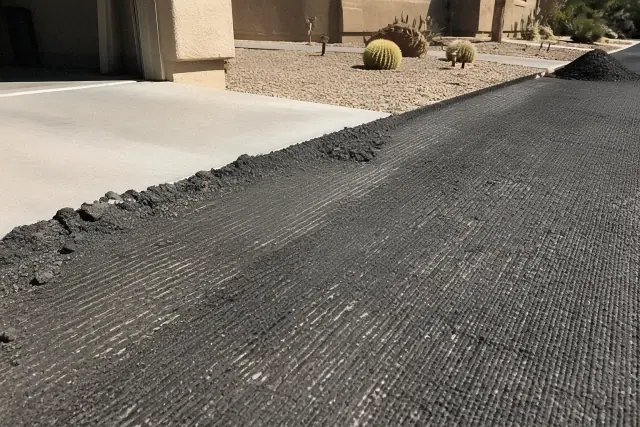
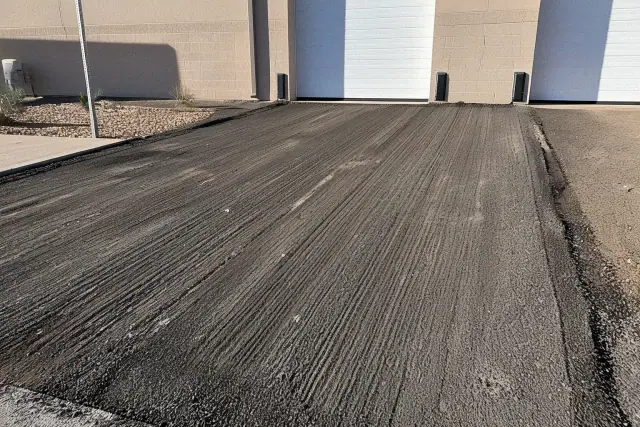
Asphalt milling, also called cold planing or asphalt grinding, mechanically removes the damaged top layer of pavement without disturbing a stable base. A rotating drum with carbide teeth turns the removed asphalt into uniform reclaimed asphalt pavement, or millings.

Milling depth is set to match the damage and commonly ranges from 1.5 to 4 inches. The process restores grade and drainage, removes oxidized material, and leaves a textured surface that helps a tack coat and new asphalt overlay bond correctly.

Tempe's Pavement Management Program collects city-street condition data every three years. We bring a similar evaluate-first approach to private lots and driveways by checking the base, drainage, and wear pattern before selecting a treatment.

Benefits of Milling Before Resurfacing

Removing only the failed layer can make milling less disruptive and less expensive than tearing out an entire pavement section. When the base remains sound, milling and overlay can add 10 to 15 years to pavement service life.

  • Removes cracked and oxidized surface asphalt
  • Preserves a stable base when full reconstruction is unnecessary
  • Restores grade at curbs, drains, and transitions
  • Corrects drainage slopes that allow water to pond
  • Creates a textured surface for tack coat and overlay bonding
  • Limits moisture trapped beneath new pavement
  • Produces reclaimed material that can be recycled
  • Supports even overlay thickness and smoother compaction
Pavement Removal & Restoration

Asphalt Milling Services

Asphalt in the Phoenix metro typically lasts 12 to 18 years with proper maintenance, but Tempe's UV exposure and monsoon moisture can shorten that window when cracks go untreated. We handle the repair cycle from failed-surface removal and base preparation through sealing, striping, and a new hot mix asphalt overlay.

Cold Plane Asphalt Milling

Cold plane asphalt milling in Tempe, AZ

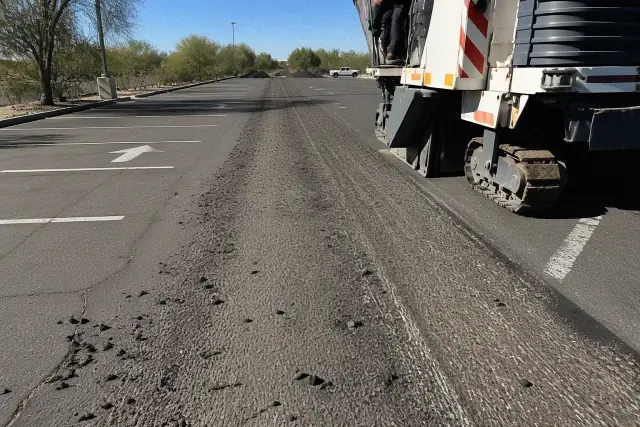
Carbide-tipped cutting drums grind failed asphalt to the specified depth while conveyor systems load reclaimed material directly into dump trucks. This controlled removal leaves a stable, textured surface for the next repair phase.

Request Estimate

Damaged Asphalt Removal

Damaged asphalt removal in Tempe, AZ

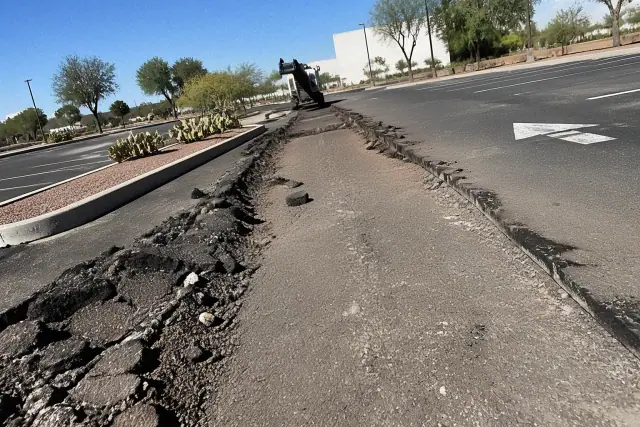
We remove pavement affected by alligator cracking, heavy oxidation, and widespread failure instead of covering unstable material. Cutting out the compromised layer helps stop monsoon water from undermining a larger area of base and subgrade.

Request Estimate

Base Preparation and Grade Correction

Base preparation and grade correction in Tempe, AZ

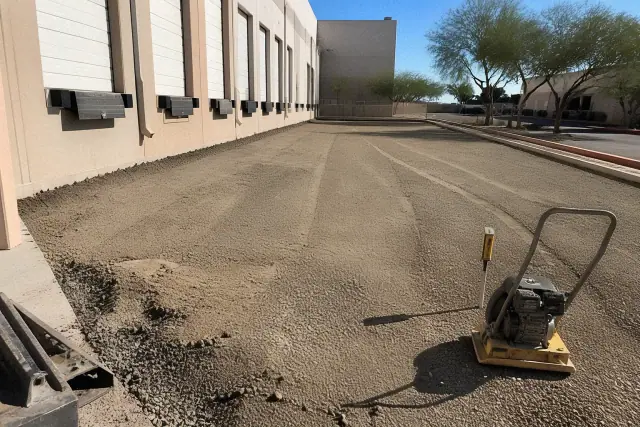
After removal, we prepare and compact the base to support the intended traffic load. Grade correction restores drainage toward curbs and drains so water is less likely to stand on the finished pavement.

Request Estimate

Asphalt Resurfacing and Overlay

Asphalt resurfacing and overlay in Tempe, AZ

A clean milled surface gives the tack coat and fresh asphalt overlay an even bonding plane. We set the grade and overlay thickness for the site's drainage and traffic needs before compacting the new wearing surface.

Request Estimate

Crack Sealing and Surface Repair

Crack sealing and surface repair in Tempe, AZ

Not every crack requires milling. Where damage remains localized, crack sealing or targeted surface repair can limit water entry and address the problem without removing a larger pavement section.

Request Estimate

Parking Lot Striping

Parking lot striping in Tempe, AZ

For commercial resurfacing projects, we can carry the work through final parking lot striping. Keeping milling, paving, and markings with one crew simplifies the sequence from pavement removal to reopening.

Request Estimate
Milling & Resurfacing Options

Asphalt Milling & Resurfacing Options

The right approach depends on pavement depth, base condition, drainage, access, traffic load, and the surface's intended use. We match the cut and restoration plan to those conditions rather than applying the same treatment to every driveway or parking lot.

Commercial parking lot milling in Tempe, AZ

Commercial Parking Lot Milling

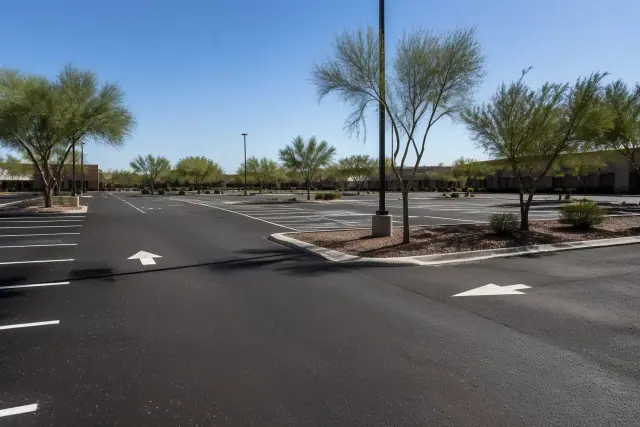
Retail lots, apartment complexes near campus, and offices along Rural Road and Priest Drive can require different milling depths across one property. Entry lanes, loading areas, and other high-load zones often wear before the rest of the lot.

  • Retail centers, apartment complexes, and office properties
  • Deeper preparation for drive-thru lanes and loading docks
  • Load-focused work for routes carrying hundreds of vehicles and delivery trucks
  • Section-by-section phasing with night and weekend scheduling
  • Typical parking lot reopening within 24 to 48 hours, depending on size and cure time
Request Estimate
Residential driveway milling in Tempe, AZ

Residential Driveway Milling

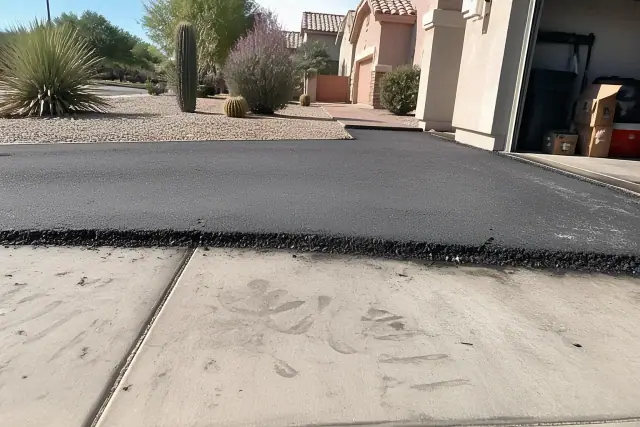
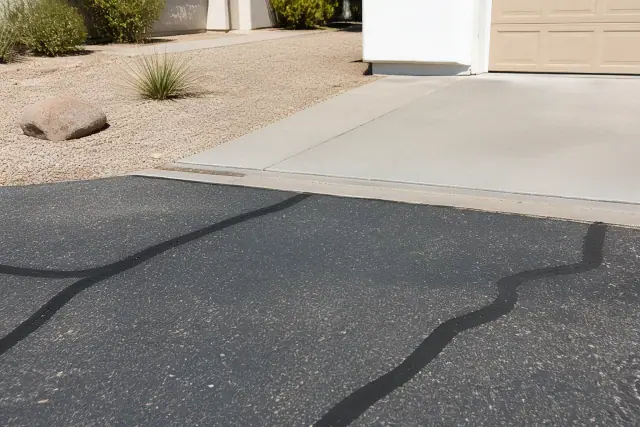
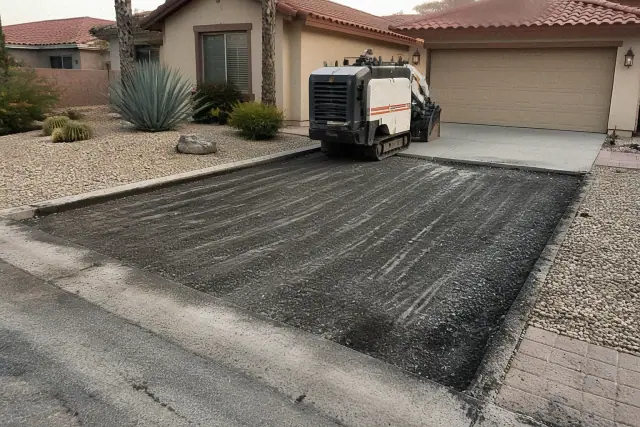
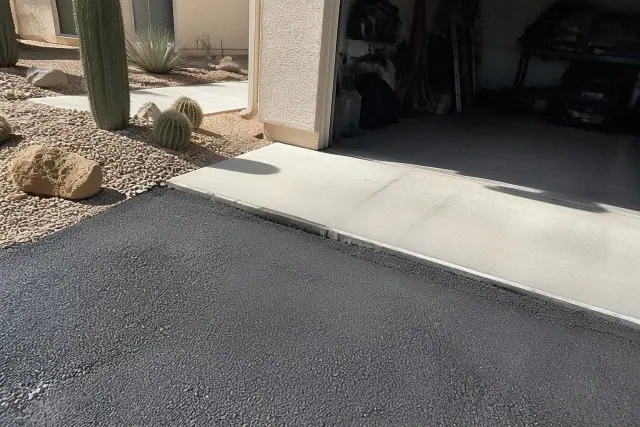
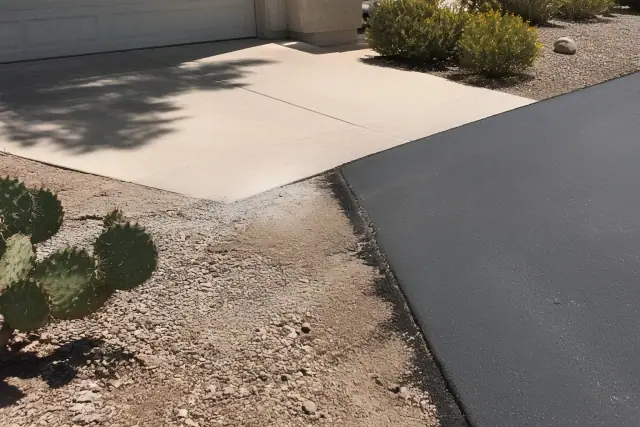
Driveways in older Tempe neighborhoods such as Escalante and Southgate can develop cracking, poor drainage, or height problems at adjoining surfaces. We inspect the wear pattern and base before deciding whether targeted milling, full removal, or millings reuse fits the property.

  • Base, drainage, and surface-wear evaluation
  • Targeted removal of failed driveway asphalt
  • Grade correction at garages, walks, curbs, and drains
  • Preparation for new asphalt or compacted millings
  • Free onsite estimate before work begins
Request Estimate
Full Depth pavement removal in Tempe, AZ

Full-Depth Pavement Removal

When damage extends below the wearing surface, full-depth reclamation can require cuts of 4 inches or deeper. Removing the failed structural section allows the base to be corrected and compacted before new pavement is installed.

  • Used for widespread base failure and deeper damage
  • Failed structural material removed to the planned depth
  • Base corrected for grade, drainage, and traffic load
  • Removed asphalt loaded for hauling or recycling
  • Compaction and grade checked before paving
Request Estimate
Recycled asphalt millings delivery and reuse in Tempe, AZ

Recycled Asphalt Millings Delivery and Reuse

Reclaimed millings can be reused for base layers, driveway fill, and low-traffic surfaces instead of going directly to a landfill. Full driveway or lot projects using millings typically range from roughly $7,875 to $22,625 and average around $15,250, depending on area and depth.

  • Material averages roughly $10 to $20 per ton before delivery
  • One ton covers about 80 square feet at a two-inch compacted depth
  • Larger driveways or rural pads often need 10 to 20 tons
  • Vibratory-roller compaction helps residual binder fuse
  • Onsite reuse can reduce hauling, material cost, and waste
Request Estimate
Overlay preparation and surface restoration in Tempe, AZ

Overlay Preparation and Surface Restoration

Overlay preparation commonly removes 1.5 to 2 inches of failed surface so the new lift can meet the intended grade. Laying asphalt over an uneven or contaminated surface can lead to delamination and renewed cracking within a year or two.

  • Failed and oxidized surface material removed
  • Grade reset for drainage and even overlay thickness
  • Loose material swept and vacuumed from the cut
  • Textured plane prepared for tack coat bonding
  • New hot mix asphalt compacted over the prepared base
Request Estimate
Finding the Right Repair

Choosing the Right Milling Approach

The right repair starts with the cause of failure, not just the visible surface. We compare damage depth, base stability, drainage, traffic, access, and the property's intended use before recommending a shallow overlay-prep cut, deeper removal, or a localized repair.

Licensed, Bonded and Insured

Tempe Asphalt operates under a current Arizona Registrar of Contractors license and is bonded. General liability and workers' compensation coverage help protect property owners during milling, hauling, and paving operations.

Grade-Control Quality Checks

Grade-control technology keeps the cut consistent within a quarter inch for drainage and even overlay thickness. We test compaction and grade against applicable City of Tempe and ADOT specifications before the overlay goes down, then remill or recompact sections that do not meet the target.

Complete Project Coordination

One team can coordinate milling, material hauling, base preparation, crack sealing, resurfacing, and striping. For active commercial sites, phased work plus night and weekend scheduling can reduce interruptions to customer and tenant access.

Pavement Warning Signs

Signs Your Pavement Needs Milling

Patching may not hold when cracking, rutting, drainage trouble, or oxidation points to broader surface or base failure. A site assessment can determine whether milling will preserve the stable layers or whether deeper reconstruction is needed.

Request Free Estimate

Alligator Cracking

Interconnected cracks resembling an alligator hide often indicate structural failure beneath the surface. Milling removes the compromised layer so the base can be evaluated instead of hidden under another overlay.

Ruts Deeper Than Half an Inch

Wheel-path rutting deeper than half an inch is a sign that patching alone may not hold. High-load entry lanes, drive-thrus, and delivery routes are especially prone to this concentrated wear.

Ponding After Monsoon Storms

Standing water after a storm can reveal low spots or failed drainage slope. If water enters cracked asphalt, it can erode Tempe's sandy, decomposed-granite subgrade and enlarge the damaged area.

Pavement Above Curbs and Drains

Asphalt that sits noticeably higher than adjacent curbs and drains may prevent runoff and create poor transitions. Milling can lower the surface to restore proper grade before the new overlay is placed.

UV Oxidation and Surface Wear

Years of direct Sonoran Desert sun can leave asphalt brittle, faded, and heavily oxidized. Once deterioration is widespread, removing the weathered layer may provide a better bond than placing new asphalt over it.

Widespread Base Failure

Movement, recurring cracks, and broad areas of deformation can point to a failed base rather than isolated surface damage. Those conditions may require deeper removal, base correction, and recompaction before resurfacing.

How It Works

Our Asphalt Milling Process

Each project moves from condition assessment and utility coordination through precise removal, cleanup, testing, and the selected paving or reuse plan. The sequence keeps depth, drainage, traffic control, and material handling aligned from start to finish.

01.

Evaluate the Pavement

We inspect the base, drainage, wear pattern, access, and traffic load before proposing a repair. The findings guide a free, no-pressure onsite estimate for the appropriate milling depth and restoration plan.

02.

Coordinate Utilities and Traffic Control

Before equipment moves, we call Arizona 811 for utility locates and arrange traffic control for the site. The setup follows applicable Maricopa County and City of Tempe requirements.

03.

Mark Limits and Target Depth

Crews mark the exact milling limits and target depth on the pavement. Those controls account for damage depth, drainage elevations, transitions, and the planned overlay thickness.

04.

Mill and Load Failed Asphalt

A cold planer uses its carbide-tipped drum to remove asphalt at the controlled depth. The conveyor transfers reclaimed material directly into dump trucks to limit spillage and cleanup time.

05.

Clean, Compact and Test

We sweep and vacuum loose material, then haul millings away or stockpile them for reuse. The prepared area is compacted and checked for grade before paving proceeds.

06.

Install the Overlay or Reuse Millings

The final phase follows the selected plan: tack coat and a compacted hot mix asphalt overlay, or reclaimed millings placed and compacted for an appropriate base or low-traffic surface. The finished grade is set to move water toward the intended drainage points.

Plan Your Pavement Repair

Schedule an Asphalt
Milling
Estimate

Request a free onsite estimate for a Tempe driveway, parking lot, or commercial pavement project. Straightforward residential and small commercial projects can often receive a same-day quote after the site details are reviewed.

Pavement Planning Help

Asphalt Milling FAQs

These answers cover milling depth, project timing, recycled-material coverage, cost factors, and the pavement conditions that help determine the right repair.

Call Our Team

A truckload of asphalt millings in the Tempe area generally runs between about $24 and $500, while larger bulk loads delivered locally can run closer to $580. Load size, haul distance, and whether the order is a partial or full truckload drive the final price.

Compaction with a vibratory roller or plate compactor hardens millings by helping the residual asphalt binder fuse. The material is placed in thin lifts of two to four inches; water or a compatible binder may also be used, and Tempe's heat helps soften the residual binder before it cools and sets.

One ton typically covers around 80 square feet at a standard two-inch compacted depth. Coverage changes with lift depth, and a typical single-car driveway usually requires somewhere between 4 and 8 tons.

Recycled millings average roughly $10 to $20 per ton before delivery, which is well below the cost of new hot mix asphalt. They can suit base layers, driveway fill, and low-traffic surfaces, but they are not a substitute for a structural wearing course on a busy commercial lot or public road.

Millings compact less densely than new asphalt, so they are softer, more prone to rutting under heavy vehicles, and less suitable for high-traffic commercial use. They may need periodic regrading and recompaction, and standing water can shorten their useful life.

Overlay preparation typically removes 1.5 to 2 inches of asphalt. Full-depth reclamation can reach 4 inches or deeper, so the selected depth should follow the actual damage, base condition, drainage elevations, and planned overlay.

When the underlying base is stable and the new surface is installed correctly, milling and overlay can add 10 to 15 years to pavement service life. Maintenance, UV exposure, drainage, and traffic load still affect the actual result.

Alligator cracking, widespread base failure, heavy oxidation, ponding water, and rutting deeper than half an inch can indicate that a patch will not hold. Asphalt sitting above adjacent curbs and drains is another sign that milling may be needed to restore grade.

Most parking lot milling and overlay work reopens within 24 to 48 hours of the project start, depending on site size and cure time. Section-by-section phasing plus night or weekend scheduling can help maintain access during the work.

Depth is the primary factor: shallow overlay-prep milling runs roughly $0.40 to $2.00 per square foot, while square-yard pricing ranges from about $2.50 to $20 depending on cut depth and material removal. Site access, traffic control, haul distance, and whether millings are recycled onsite or trucked away also affect the total.

The carbide drum grinds removed pavement into reclaimed asphalt pavement, and the machine's conveyor loads it into dump trucks. The millings can be hauled away, stockpiled, or reused onsite for suitable base layers and low-traffic surfaces.

Preparation includes an onsite condition review, an Arizona 811 utility-locate request, traffic-control setup, and surface markings for milling limits and target depth. These steps help protect utilities and keep the cut aligned with drainage and overlay requirements.

Tempe Asphalt provides milling, pavement removal, and resurfacing throughout Tempe. The company also regularly serves Mesa, Chandler, Scottsdale, and the greater Phoenix metro area.